

Are you ready to bake a treat that brightens your day? This Lemon Blueberry Sourdough Bread blends tangy lemon and sweet blueberries for a delightful twist. In this simple baking guide, I’ll share everything you need, from essential ingredients to step-by-step instructions. You’ll also find tips to avoid common mistakes and variations to try. Join me, and let’s create a loaf that’s sure to impress!
Why I Love This Recipe
- Bright Flavor: The combination of lemon and blueberries creates a refreshing and vibrant taste that’s perfect for breakfast or a snack.
- Artisan Touch: This recipe utilizes a sourdough starter, giving the bread a unique texture and depth of flavor that store-bought breads can’t match.
- Health Benefits: Blueberries are packed with antioxidants and vitamins, making this bread not just delicious but also a healthier option to enjoy.
- Versatile Serving: This bread pairs wonderfully with honey, lemon curd, or even cream cheese, allowing for various delightful serving options.
Ingredients
Essential Ingredients for Lemon Blueberry Sourdough Bread
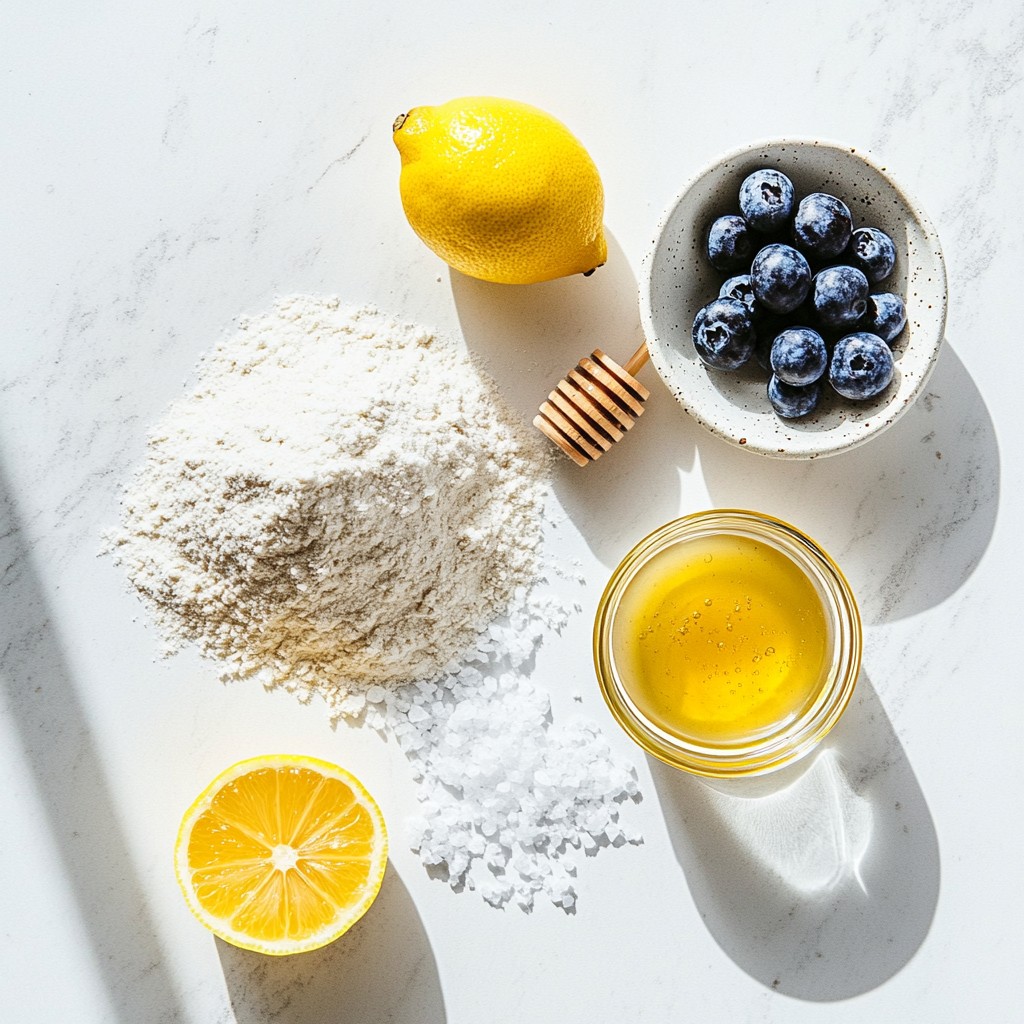
For a tasty Lemon Blueberry Sourdough Bread, you need these key ingredients:
- 500g bread flour
- 100g active sourdough starter
- 10g salt
- 350ml warm water (around 110°F/43°C)
- Zest of 1 large lemon
- 50ml freshly squeezed lemon juice
- 150g fresh blueberries (plus additional for topping)
These ingredients work together to create a soft and flavorful bread. The bread flour gives structure, while the sourdough starter adds tang and depth. The lemon zest and juice bring a bright, fresh flavor that pairs well with the sweet blueberries.
Optional Ingredients for Added Flavor
You can enhance your bread with these optional ingredients:
- 1 tablespoon honey (for added sweetness)
Adding honey can give your bread a subtle sweetness. It also helps with browning, giving you a nice golden crust.
Tips on Selecting Fresh Blueberries and Lemons
Choosing the right blueberries and lemons is key to great flavor. Here are some tips:
- Blueberries: Look for firm, plump berries with a deep blue color. Avoid berries with wrinkles or mold. Fresh blueberries add juiciness and flavor to your bread.
- Lemons: Choose lemons that feel heavy for their size. This means they have more juice. Look for smooth skin and bright color. Fresh lemons give a zesty kick that brightens the bread.
With these ingredients and tips, you are ready to bake a delicious Lemon Blueberry Sourdough Bread. Enjoy the flavors and the fun of baking!
Step-by-Step Instructions
Mixing the Dough and Adding Ingredients
First, grab a large mixing bowl. Combine 500g of bread flour, 100g of active sourdough starter, and 10g of salt. Use a spatula or wooden spoon to mix these dry items. Make sure they blend well. Next, pour in 350ml of warm water and 50ml of lemon juice. If you want extra sweetness, add 1 tablespoon of honey. Stir until you see a shaggy dough. It might look a bit messy, and that's alright.
Now, let's add some zest! Fold in the zest of one large lemon and 150g of fresh blueberries. Be gentle here. You don’t want to crush the berries. Just mix until you see them spread out in the dough.
Autolyse and Kneading Explained
Now, cover your bowl with a damp cloth or plastic wrap. Let it rest for 30 minutes. This step is called autolyse. It allows the flour to hydrate and gluten to form. After 30 minutes, it’s time to knead! Do this for 5 to 10 minutes. Your dough should become smooth and elastic. If it feels sticky, add a little flour to your hands as you knead.
Fermentation and Shaping Techniques
After kneading, cover the bowl again. Let it rise at room temperature for 4 to 6 hours. This is called bulk fermentation. During this time, stretch and fold the dough every hour. This helps it grow strong. When the dough doubles in size, it’s time to shape it!
Turn the dough out onto a clean, floured surface. Gently shape it into a round loaf. Fold the edges towards the center to form a nice shape. You can use a bench scraper to help. Then, place it in a proofing basket with the seam side up. Cover it and let it rise for 2 to 3 hours. For a slower rise, put it in the fridge overnight. This will make your bread taste even better!
Tips & Tricks
Perfecting the Bread Texture
To get the best texture for your Lemon Blueberry Sourdough Bread, focus on your dough. Aim for a smooth and elastic feel. This means you knead it enough. When you stretch the dough, it should hold its shape. If it tears easily, keep kneading. Use the windowpane test: stretch a small dough piece gently. If it stretches thin without breaking, you’re ready.
Common Mistakes to Avoid in Sourdough Baking
Watch out for these common pitfalls. First, don’t skip the autolyse step. This resting time helps the gluten form. Second, avoid over-kneading. It can make your bread tough. Also, make sure your sourdough starter is active. If it’s not bubbly and lively, your bread won’t rise well. Lastly, be careful with blueberries. Too much mixing can break them and make the dough purple.
How to Achieve the Best Flavor with Slow Fermentation
Slow fermentation is key for great flavor. Letting your dough rise longer allows the flavors to deepen. You can do this by placing it in the fridge overnight. This cool fermentation gives the bread a tangy taste. It also helps develop a better crust. If you plan to bake in the morning, prepare your dough the night before. The next day, just shape and bake it!
Pro Tips
- Use Fresh Blueberries: For the best flavor and texture, make sure to use fresh blueberries instead of frozen ones. Fresh berries will hold their shape better and provide a burst of juiciness in each bite.
- Check Dough Consistency: The dough should be slightly sticky but manageable. If it's too wet, you can add a little more flour during kneading, but be careful not to overdo it.
- Longer Fermentation for Flavor: If time allows, consider letting the shaped dough ferment in the refrigerator overnight. This slow rise enhances the bread's flavor and improves the crumb structure.
- Score for Expansion: Scoring the top of the dough before baking allows for controlled expansion and creates an appealing crust. Use a sharp blade to make a shallow cut.
Variations
Different Flavor Combinations to Try
You can change up the lemon blueberry sourdough bread to fit your taste. Here are some fun ideas:
- Raspberry and Lime: Swap blueberries for fresh raspberries. Use lime zest and juice instead of lemon for a zesty twist.
- Orange Cranberry: Replace lemon with orange zest and juice. Add dried cranberries for a sweet touch.
- Herb-Infused: Add fresh herbs like rosemary or thyme to the dough for a savory flavor.
Gluten-Free Alternatives for Sourdough Bread
If you need a gluten-free option, you can still enjoy this bread. Use a gluten-free flour blend. Here’s how to adjust:
- Flour: Choose a quality gluten-free all-purpose flour. Look for one that includes xanthan gum for better texture.
- Starter: You may need a gluten-free starter. You can make one with gluten-free flour and water. Allow it to ferment for a few days.
- Hydration: Gluten-free dough can be more wet. Add a bit more water, if needed, to achieve the right consistency.
Adjusting Sweetness and Citrus Levels
You can easily tweak the sweetness and citrus in your bread. Here’s how:
- Less Sweet: Omit the honey if you want a less sweet bread. The natural sweetness from the blueberries will shine through.
- More Citrus: If you love citrus, add more lemon zest or juice. Start with an extra tablespoon and taste the dough.
- Experiment: Try adding a pinch of sugar or a teaspoon of vanilla extract for a different flavor profile.
Feel free to mix and match these ideas. Each variation can give you a new taste experience!
Storage Info
Best Practices for Storing Lemon Blueberry Sourdough Bread
To keep your lemon blueberry sourdough bread fresh, store it in a cool, dry place. Use a paper bag for short-term storage. This allows some air flow and helps keep the crust crisp. If you want to store it for longer, wrap the bread in plastic wrap or foil. This keeps it moist and soft.
How to Freeze and Reheat Leftovers
Freezing is a great way to save your bread. First, let the bread cool completely. Then, slice it for easy use. Wrap the slices in plastic wrap or foil. Place the wrapped bread in a freezer bag. Remove as much air as possible to prevent freezer burn.
When you want to enjoy the bread, take out a slice. You can reheat it in the toaster or in the oven. If using the oven, preheat to 350°F (175°C). Heat for about 10 minutes. This brings back the fresh-baked taste.
Shelf Life and Signs of Staleness
Lemon blueberry sourdough bread can last 3 to 5 days at room temperature. Check for signs of staleness before eating. If the crust feels soft or the bread smells off, it may be stale. Mold is another clear sign that your bread is no longer good. Always check before enjoying your slice.
FAQs
What can I use instead of a proofing basket?
If you don’t have a proofing basket, you can use a bowl. Just make sure the bowl is lined with a clean kitchen towel. Dust the towel with flour to keep the dough from sticking. A colander works too. Just line it with a cloth and add flour. This keeps the shape of your dough as it rises.
Can I make this bread without a sourdough starter?
Yes, you can! You can use store-bought yeast instead of a sourdough starter. Mix 2 teaspoons of instant yeast with the dry ingredients. Then, add warm water to activate the yeast. This change will speed up the rising time. However, the flavor will differ from traditional sourdough.
How do I know when the bread is fully baked?
To check if your bread is done, tap the bottom gently. If it sounds hollow, it is ready. You can also use a food thermometer. The internal temperature should be about 200°F (93°C). If you see a golden-brown crust, that’s a good sign too! Let it cool before slicing for the best texture.
In this post, we explored how to make lemon blueberry sourdough bread. We discussed essential and optional ingredients, tips for fresh produce, and the step-by-step process. I shared common mistakes and ways to perfect your texture. You can also try unique variations and proper storage methods.
Baking sourdough is fun and rewarding. With practice, you will master flavorful bread! Enjoy sharing your delicious results with others.