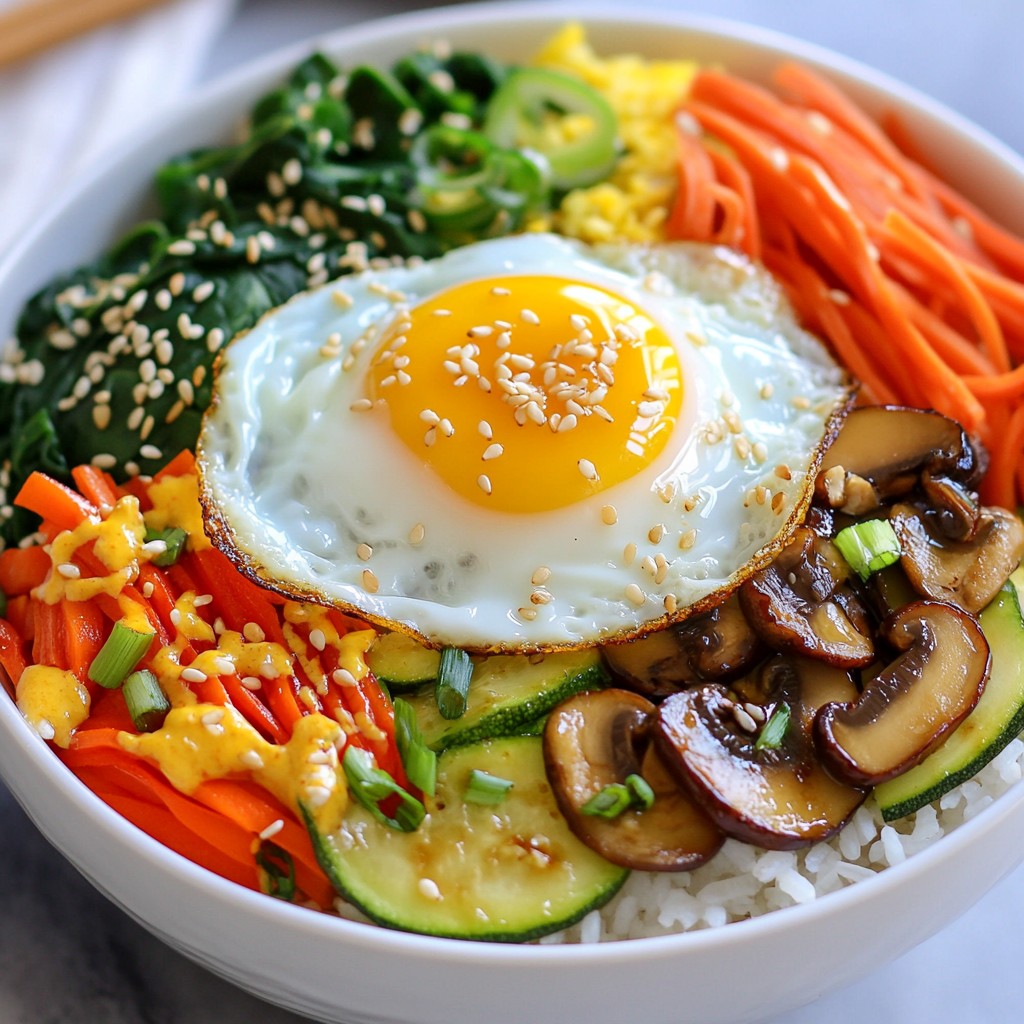
Looking for a quick, tasty meal? Let me introduce you to Korean bibimbap! This colorful dish is not just a feast for your eyes but also easy to make. In this guide, I’ll walk you through simple steps and tips to create a flavorful bowl, even if you're short on time. Get ready to explore key ingredients, cooking techniques, and delicious variations that will wow your taste buds!
Why I Love This Recipe
- Colorful Presentation: This dish is not only delicious but visually stunning, making it a feast for the eyes with its vibrant vegetables and toppings.
- Customizable: You can easily swap out vegetables or add your favorite proteins, making bibimbap versatile for any taste preference.
- Healthy Ingredients: Packed with fresh vegetables and wholesome rice, this dish offers a nutritious meal option that's both filling and satisfying.
- Quick and Easy: With a total prep time of just 25 minutes, bibimbap is perfect for a busy weeknight dinner without sacrificing flavor or quality.
Ingredients
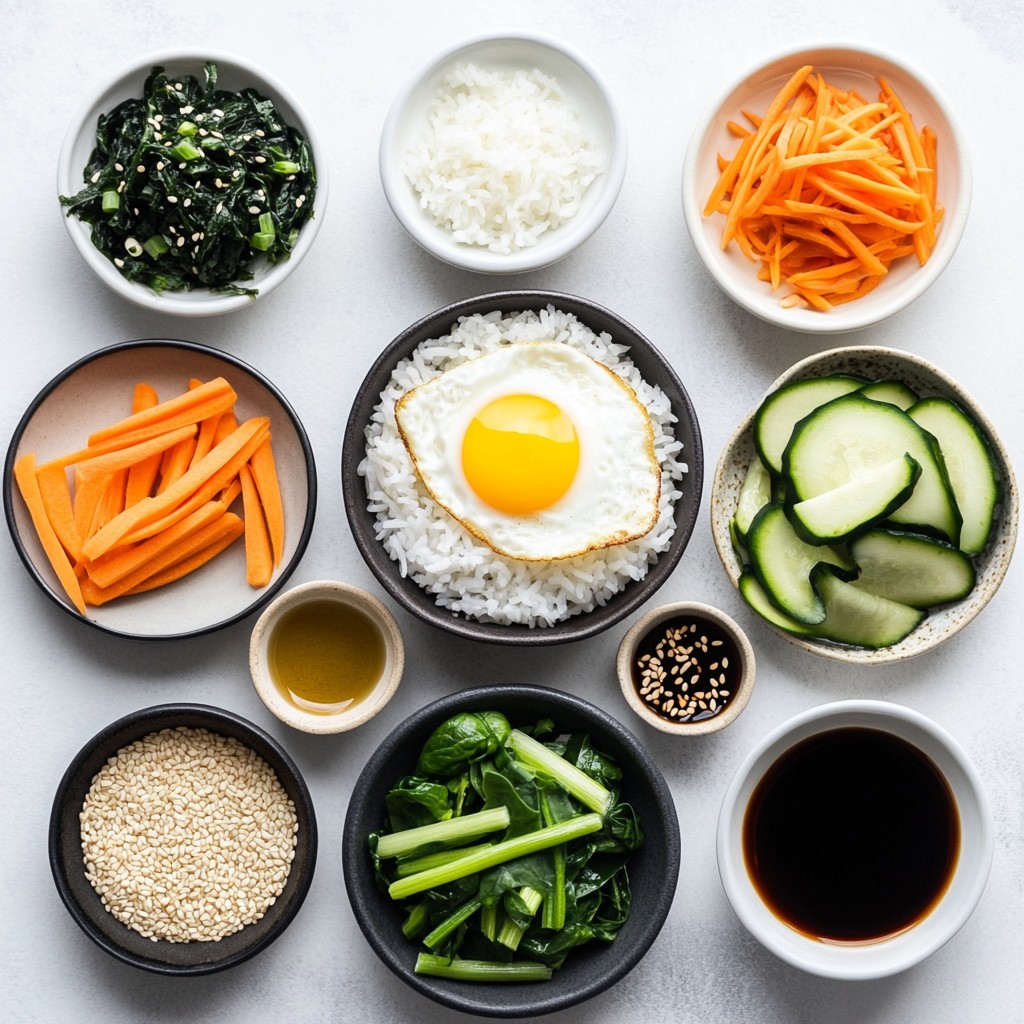
List of Ingredients
- 2 cups cooked jasmine rice
- 1 cup fresh spinach, blanched and thoroughly squeezed dry
- 1 cup shiitake mushrooms, sliced thinly
- 1 small carrot, julienned
- 1 small zucchini, julienned
- 1 egg
- 2 tablespoons gochujang (Korean chili paste)
- 1 tablespoon sesame oil
- 2 tablespoons soy sauce
- 1 teaspoon sesame seeds
- Salt and pepper to taste
- Chopped green onions, for garnish
Key Ingredients for Authentic Flavor
For real Korean bibimbap, certain ingredients shine. Gochujang brings heat and depth. Jasmine rice is sticky and soft, making it perfect. Fresh spinach adds a bright touch. Shiitake mushrooms give umami flavor. Each element plays a role in making this dish special.
Substitutions for Common Ingredients
Don’t worry if you can’t find everything! Use brown rice instead of jasmine rice for a nutty twist. Baby spinach can replace regular spinach. If shiitake mushrooms are hard to find, any mushrooms will work. You can swap gochujang with sriracha if you need a quick fix. These changes keep the dish tasty while fitting your needs.
Step-by-Step Instructions
Preparing the Vegetables
First, heat 1 tablespoon of sesame oil in a large skillet over medium heat. Add the sliced shiitake mushrooms. Sauté them for about 3-4 minutes. They should be tender and fragrant. Remove the mushrooms and set them aside. In the same skillet, add the julienned carrots and zucchini. Stir-fry these for about 2-3 minutes. They should soften just a bit. Sprinkle a pinch of salt over the veggies, toss them, and set aside with the mushrooms.
Cooking the Egg
Next, grab a non-stick frying pan. Crack the egg into the pan. Cook it sunny-side up or to your liking. Aim for the whites to be fully set and the yolk to stay runny. This will give you the best bite. Once done, remove the egg and set it aside.
Assembling the Bibimbap
Now it’s time to assemble! Take a large bowl and add the cooked jasmine rice as the base. This rice creates a cozy bed for your dish. Neatly arrange the sautéed vegetables—spinach, mushrooms, carrots, and zucchini—around the rice. Make sections with each veggie to show off their colors. Next, add the sauce. Spoon gochujang over the arranged vegetables and rice. Then drizzle in some soy sauce and the rest of the sesame oil. This will infuse flavor throughout. Gently place the cooked egg on top of the Bibimbap. Finally, sprinkle sesame seeds and chopped green onions over the dish. This adds a fresh touch. Before you dig in, mix all the elements together with your spoon. This helps the flavors blend in every bite. Enjoy your vibrant and quick Korean Bibimbap!
Tips & Tricks
Best Cooking Techniques
To make the best bibimbap, focus on cooking each ingredient well. Start with the mushrooms. Sauté them until they are tender. This takes about 3 to 4 minutes. Use medium heat and add sesame oil for extra flavor. Next, stir-fry the carrot and zucchini. Cook them for 2 to 3 minutes. They should still have some crunch. Season them with salt as you cook. This keeps the veggies bright and tasty.
Enhancing Flavor with Gochujang
Gochujang is key to bibimbap's flavor. This spicy paste adds heat and depth. When you spoon it over the rice and vegetables, it brings all the flavors together. You can adjust the amount to your liking. If you want a milder taste, start with one tablespoon. You can always add more later. Mixing the gochujang with soy sauce and sesame oil creates a tasty sauce. This adds even more richness to your dish.
Presentation Ideas for Beautiful Bibimbap
Presentation makes your bibimbap more inviting. Use a deep bowl to show off the colorful ingredients. Start with rice at the bottom. Arrange the vegetables in sections around the rice. This creates a lovely rainbow effect. Don’t forget the egg on top! A runny yolk adds richness and looks great. Finish with sesame seeds and green onions for a fresh touch. This makes your bibimbap not just a meal, but a feast for the eyes.
Pro Tips
- Fresh Ingredients: Using fresh vegetables will enhance the flavors and textures in your Bibimbap, making it more vibrant and delicious.
- Perfect Egg: Cook the egg to your preference, but a runny yolk adds creaminess that complements the dish beautifully. Consider trying it poached if you're feeling adventurous!
- Mixing It Up: Don’t skip the mixing step before eating! Combining all the elements allows the flavors to meld together and creates a harmonious taste.
- Gochujang Adjustments: Adjust the amount of gochujang to fit your spice tolerance. Start with less and add more if you enjoy a spicier kick!
Variations
Protein Options: Tofu, Chicken, or Beef
You have many choices for protein in bibimbap. For a tasty veggie option, try tofu. Firm tofu works best. Just slice it and pan-fry until golden. If you prefer meat, chicken and beef are great too. Marinate the chicken in soy sauce and sesame oil for added flavor. For beef, thinly slice it against the grain and cook until tender. Each protein gives a unique taste to the dish.
Vegetarian and Vegan Substitutions
Making bibimbap vegetarian or vegan is easy. For a vegan option, use tofu as your protein. You can add more veggies like bell peppers or broccoli. Also, skip the egg or use a vegan egg substitute. Make sure to check that your gochujang is vegan too. This way, everyone can enjoy this dish without missing out.
Customizing Spice Levels
Spice levels in bibimbap can vary. If you like it spicy, add more gochujang. You can also sprinkle in some crushed red pepper flakes. For a milder taste, use less gochujang. Adding a dollop of plain yogurt or sour cream can cool it down. Adjust the spice to fit your taste buds. Each bite should be just right for you!
Storage Info
Proper Storage Techniques
After you make Korean Bibimbap, store it right. Keep the rice and veggies separate. Use airtight containers. This keeps the flavors fresh. Place the cooked rice in one container. Put the vegetables in another. Store the fried egg separately to avoid sogginess.
Reheating Instructions
When ready to eat, reheat the rice first. Use a microwave or stovetop. Add a splash of water to keep it moist. Heat until warm. For the vegetables, sauté them briefly in a pan. This brings back their crunch. If you stored the egg, reheat it gently in a pan. Avoid overcooking the yolk.
Best Practices for Meal Prep
Meal prep makes life easy. Cook a big batch of rice at once. You can also sauté vegetables in advance. Store them in portions. This speeds up your cooking later. Mix and match different veggies based on your taste. Keep some gochujang handy for a quick flavor boost. Enjoy a fresh meal anytime!
FAQs
What is Bibimbap?
Bibimbap is a popular Korean dish. It means "mixed rice." You serve it with rice, vegetables, and often an egg. The dish is colorful and tasty. Each bite offers different flavors and textures. The key is to mix everything together before eating. This creates a delicious blend of tastes.
Can I make Bibimbap ahead of time?
Yes, you can prepare Bibimbap in advance. Cook the rice and vegetables separately and store them in the fridge. Keep the egg uncooked until you're ready to serve. When you want to eat, just reheat the rice and veggies. Cook the egg fresh for the best taste. This makes meal prep easy!
What can I use if I don’t have gochujang?
If you don’t have gochujang, you can use other sauces. Sriracha or chili paste works well. For a milder option, mix soy sauce with a bit of sugar. Another idea is to use red pepper flakes. Adjust the amount based on your spice level. You can still enjoy a tasty Bibimbap!
This blog covers all you need for bibimbap. We explored key ingredients, tips for great flavor, and how to assemble your dish. You learned about proteins and spice levels to fit your taste. With proper storage and reheating methods, you can enjoy leftovers easily. Remember, experimenting with this dish can be fun. Personalize your bibimbap for a meal you love. Enjoy creating your own version and share with others. Happy cooking!