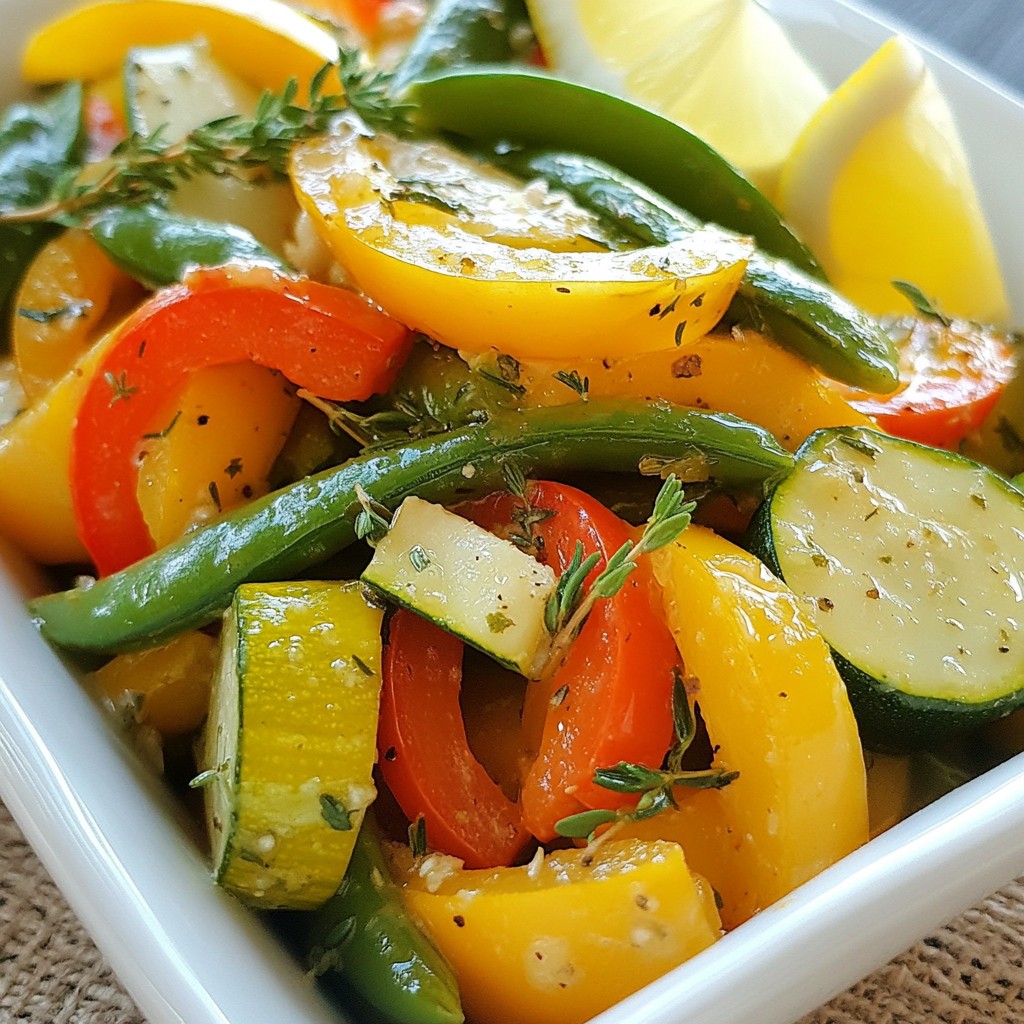
Are you ready to elevate your veggie game? In this post, I’ll show you how to make delicious Quick Sautéed Veggies with Garlic Herb Butter. This easy recipe is packed with flavor and takes just minutes to prepare. You’ll learn the best techniques for perfectly sautéed vegetables that are both colorful and tasty. Let’s turn those veggies into a dish you’ll crave!
Why I Love This Recipe
- Quick and Easy: This recipe comes together in just 15 minutes, making it perfect for busy weeknights or last-minute gatherings.
- Flavorful Combination: The garlic herb butter elevates the natural sweetness of the vegetables, creating a deliciously rich flavor profile.
- Versatile Ingredients: You can easily swap in your favorite vegetables or whatever you have on hand, making this recipe adaptable to any season.
- Healthy and Nutritious: Packed with vitamins and minerals, this dish is a great way to incorporate more veggies into your diet without sacrificing taste.
Ingredients
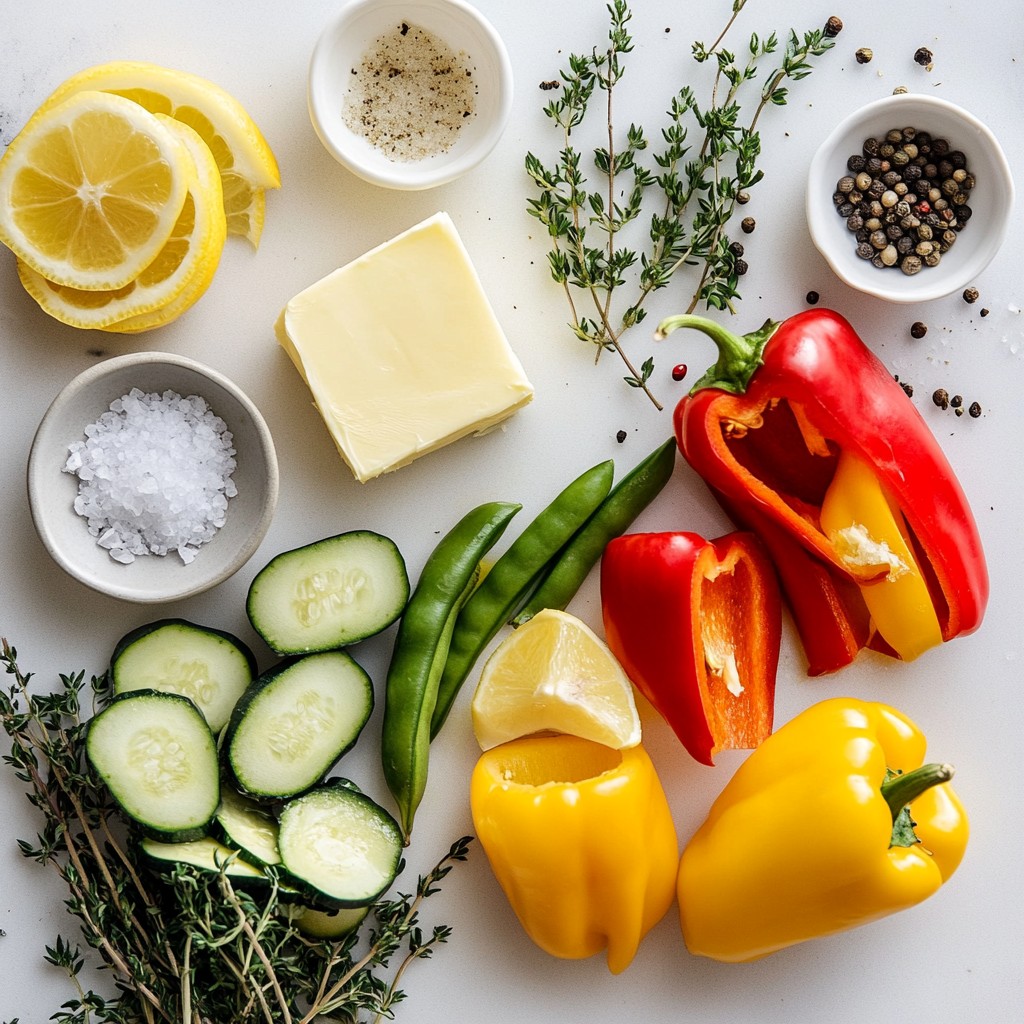
To create Quick Sautéed Veggies with Garlic Herb Butter, gather these simple ingredients:
- 2 cups of mixed vegetables (bell peppers, zucchini, and snap peas)
- 2 tablespoons unsalted butter
- 1 tablespoon extra virgin olive oil
- 3 garlic cloves, minced
- 1 teaspoon fresh thyme leaves (or ½ teaspoon dried thyme)
- 1 teaspoon fresh rosemary, finely chopped (or ½ teaspoon dried rosemary)
- Salt and freshly cracked black pepper to taste
- Lemon wedges for garnish
Each ingredient plays a key role in building flavor. The mixed vegetables provide a colorful and nutritious base. Unsalted butter adds a rich taste, while olive oil helps with cooking. Garlic gives a lovely aroma and a punch of flavor. Thyme and rosemary bring freshness and warmth. Don't forget the salt and pepper for balance. Lemon wedges add a bright finish, enhancing all the flavors.
Using fresh ingredients makes a big difference. They not only taste better, but they also look nice on the plate. So, choose vibrant veggies when you shop. This dish is quick to make, so you can enjoy it any time!
Step-by-Step Instructions
Preparation of Vegetables
First, wash your mixed vegetables under cool water. This step is key to removing dirt and germs. For this dish, I like to use bell peppers, zucchini, and snap peas. After washing, chop them into bite-sized pieces. This ensures they cook evenly and make them easy to eat.
Cooking Process
Next, heat a large skillet over medium heat. Add 1 tablespoon of olive oil and 1 tablespoon of unsalted butter. Let the butter melt and bubble gently. Once hot, add 3 minced garlic cloves. Sauté the garlic for about 30 seconds. Stir constantly to avoid burning. When it smells great, it is ready.
Now, add your chopped mixed vegetables to the skillet. Stir-fry them for 5 to 7 minutes. Toss frequently until they are tender but still crisp. This keeps their bright colors and crunchy texture.
Finalizing the Dish
After the veggies are cooked, add the remaining tablespoon of butter. Then, sprinkle in 1 teaspoon of fresh thyme and 1 teaspoon of finely chopped rosemary. Season with salt and black pepper to taste. Toss everything well to coat the veggies in that herby butter mixture.
Sauté for another 1 to 2 minutes. This lets the butter melt fully and the flavors blend. Finally, remove the skillet from the heat. Serve your sautéed veggies hot, with lemon wedges on the side. A squeeze of fresh lemon juice adds a bright touch. Enjoy your quick and tasty dish!
Tips & Tricks
Cooking Tips
To avoid burning garlic, keep a close watch. Add it to the pan only after the butter starts to bubble. Stir it for about 30 seconds, then add the veggies. Burnt garlic can taste bitter and ruin your dish.
For the best sautéing temperature, use medium heat. This allows your veggies to cook evenly and stay crisp. If the pan gets too hot, the veggies may burn before they get tender.
Flavor Enhancements
You can boost flavor by adding herbs or spices. Fresh basil or parsley can add a nice touch. A pinch of red pepper flakes can give it some heat. Experiment with what you like!
Want to add protein? You can toss in cooked chicken, shrimp, or even chickpeas. This makes the dish more filling and adds more flavor. Just throw the protein in during the last few minutes of cooking.
Pro Tips
- Use Fresh Herbs: Fresh herbs provide a vibrant flavor that dried herbs can't match. Always choose fresh when possible for the best results.
- Don't Overcook Vegetables: To maintain their crispness and nutrients, sauté vegetables just until tender. They should still have a slight crunch.
- Adjust Seasoning: Taste your dish before serving and adjust the salt and pepper to your preference. Every vegetable has a different flavor profile.
- Experiment with Vegetables: Feel free to mix in your favorite seasonal vegetables or whatever you have on hand for a unique twist every time.
Variations
Different Vegetable Combinations
You can mix and match different vegetables for your sautéed dish. Seasonal veggies work best. Try using asparagus in spring or squash in fall. Colorful mixes make your plate pop. Add purple eggplant or orange carrots for brightness. The more colors, the more nutrients. Choose veggies that you love or have on hand. This way, you can enjoy your meal more.
Butter Alternatives
If you want a different flavor, use olive oil instead of butter. Olive oil makes the dish lighter and is great for a vegan diet. You can also try vegan butter for a similar taste. If you need a dairy-free option, these are perfect. Each choice will change the taste a bit, so experiment to find your favorite.
Storage Info
Leftovers
To store sautéed veggies properly, first let them cool. Once cool, place them in an airtight container. You can keep them in the fridge for up to three days. This keeps them fresh and tasty.
To reheat, use a skillet over medium heat. Add a dash of olive oil or a bit of butter. Stir the veggies until they are hot. You can also use a microwave. Heat them in a bowl covered with a lid or microwave-safe wrap for about 1 to 2 minutes.
Meal Prep Tips
Preparing sautéed veggies in advance helps on busy days. You can wash and chop your vegetables ahead of time. Store them in the fridge in a container. This way, they are ready to cook when you need them.
For best storage, use glass containers with tight lids. They keep your veggies fresh longer. Plus, they are great for reheating. If you want to keep different veggies separate, use smaller containers. This helps maintain their taste and texture.
FAQs
Common Questions
Can I use frozen vegetables? Yes, you can use frozen vegetables. They are a quick and easy option. Just remember to thaw them first. This helps them cook evenly. You might need to sauté them a bit longer. Check for tenderness and a nice color.
How do I know when the veggies are done cooking? Your veggies are done when they are tender but still crisp. They should be bright in color. If you poke them with a fork, they should give a little but not mushy. A good stir-fry takes about 5 to 7 minutes.
Serving Suggestions
What to serve with sautéed veggies? Sautéed veggies pair well with many dishes. You can serve them with rice, quinoa, or pasta. They also go great with grilled chicken or fish. Add a sprinkle of cheese for extra flavor too.
Pairing ideas with proteins or grains Try serving sautéed veggies with baked salmon or chicken. They also work well with plant-based proteins like tofu. For grains, consider brown rice or farro. Mixing flavors and textures makes your meal more exciting!
This post covered how to make delicious sautéed vegetables. You learned about fresh ingredients, preparation steps, and cooking tips. I shared ways to enhance flavors and store leftovers well. You can mix up vegetable choices or use butter alternatives for your taste. Remember, cooking is fun; you can adjust these tips to fit your meals. Enjoy creating tasty dishes and impressing your family or friends with your skills!