Skip to content
DisclaimerTerms Of UseGDPR PolicyCookie Policy

lazychefmagic

  • Home
  • Drinks
  • Appetizers
  • Dinner
  • Dessert
  • About
  • Contact
  • Privacy Policy
DisclaimerTerms Of UseGDPR PolicyCookie Policy

NO-ING-IMG

- 4 cups mixed baby greens (arugula, spinach, watercress) - 1 cup fresh strawberries, hulled and thinly sliced - 1 ball of creamy burrata cheese, cut into large, luscious pieces - 6 slices of prosciutto, torn into bite-sized, rustic pieces - 1/4 cup roasted pistachios, roughly chopped for added crunch The main ingredients create a bright and tasty dish. You mix the greens with juicy strawberries for a fresh base. The creamy burrata adds a rich and smooth texture. Prosciutto gives a salty kick that balances well with the sweet strawberries. The chopped pistachios add a nice crunch, making every bite exciting. - 2 tablespoons balsamic glaze, for a sweet finish - 2 tablespoons extra virgin olive oil, to enrich the flavors - Sea salt and freshly cracked black pepper, to taste The dressing brings all the flavors together. Balsamic glaze adds sweetness, while olive oil makes the salad rich. A pinch of sea salt and cracked black pepper can brighten each bite. You can adjust these to fit your taste. - Fresh basil leaves, for a fragrant garnish - Additional nuts or seeds Garnishes can take your salad to the next level. Fresh basil adds a lovely aroma and a pop of color. You can also sprinkle on more nuts or seeds for extra crunch. These touches make your dish not just tasty but also pretty to look at. For the full recipe, check out the complete ingredients and instructions to make this delightful salad. To start, gather your mixed baby greens and strawberries. In a large bowl, combine the greens with the sliced strawberries. Toss them gently to mix. This ensures every bite has a burst of flavor. Next, drizzle the olive oil over the salad. Add a pinch of sea salt and a sprinkle of black pepper. Toss the salad lightly to coat everything evenly. This step adds a nice touch and enhances the taste. Now it's time to plate your salad. On a large plate, artfully arrange the greens and strawberries. Create a nest in the center for the burrata pieces. Scatter the torn prosciutto over the salad for flavor in every bite. Place the creamy burrata on top, letting it shine. Finish by drizzling balsamic glaze over the salad. This sweet touch ties all the flavors together. Finally, sprinkle the chopped pistachios for crunch and add fresh basil for a pop of color and aroma. For the full recipe, check out the instructions above. Enjoy your fresh and tasty dish! To make your salad shine, get the salt and pepper right. I suggest using about 1/4 teaspoon of sea salt and a few cracks of black pepper for every serving. This will brighten the flavors without overpowering them. Next, pay attention to the balsamic glaze. If you like it sweeter, drizzle a bit more. If you want a tangy kick, use less. Balance is key, so taste as you go. When serving, make your salad look as good as it tastes. Start by arranging the greens and strawberries in a bowl. Use a large plate or bowl to let the colors pop. Place the burrata in the center, so it draws the eye. High-quality serveware makes a big difference. Use a beautiful plate to elevate your dish. A simple white plate can make the colors stand out even more. To save time, prep your ingredients ahead of time. Slice strawberries and tear prosciutto early in the day. Store them in separate containers. This way, you can assemble the salad quickly when you’re ready to eat. For quick assembly, keep everything within reach. Have your greens, strawberries, and burrata ready to go. This helps you build your salad in just a few minutes. For the full recipe, check out the Prosciutto Strawberry Burrata Salad details. {{image_4}} You can swap ingredients based on the season or your taste. For fruits, try using peaches or figs instead of strawberries. They add a sweet twist. You can also switch the cheese. Instead of burrata, use fresh mozzarella or creamy goat cheese. Both choices bring unique flavors to the salad. If you want a vegan version, simply omit the cheese. You can add a plant-based dressing for flavor. Make sure to check that all other ingredients are vegan-friendly. For gluten-free diets, this salad fits perfectly. Just ensure your balsamic glaze does not contain gluten. To make this salad heartier, think about adding protein. Grilled chicken or shrimp can boost the dish. They add a nice texture and flavor. If you prefer vegetarian options, consider chickpeas or lentils. They provide protein and complement the salad well. Explore the [Full Recipe] for all the details you need! To keep your Prosciutto Strawberry Burrata Salad fresh, use airtight containers. Glass or plastic containers work well. Make sure to separate the dressing from the salad. This prevents soggy greens. Keep the salad in the fridge. Aim for a temperature of 40°F (4°C) or lower. For the best taste, eat the salad within 2 days. After this, the greens may wilt. Check for signs of spoilage. If the strawberries look mushy or the cheese smells sour, it's time to toss them. Freshness matters for flavor and safety. This salad is best enjoyed cold. If you prefer it warm, gently heat the cheese. Use a microwave on low power for a few seconds. Be careful not to overheat. Enjoy it cold for a crisp, refreshing bite. When choosing prosciutto, look for prosciutto di Parma. It has a rich flavor and a melt-in-your-mouth texture. This type of prosciutto comes from specific regions in Italy. It is made from selected pigs and is aged for at least 12 months. You can also try prosciutto di San Daniele for a slightly sweeter taste. Always buy from a trusted source to ensure quality. Yes, you can prep parts of the salad ahead of time. Wash and dry the baby greens and strawberries a few hours before serving. Keep them in separate containers to stay fresh. You can also tear the prosciutto and chop the pistachios early. Just wait to add the burrata and dressing until right before serving. This keeps everything fresh and tasty. Pair this salad with a light white wine, like Sauvignon Blanc. The wine’s crispness matches the salad's flavors. A fresh sparkling water with lemon also works well. For sides, consider serving crusty bread or a light soup. These options enhance the meal without overpowering the salad. Enjoy the full recipe to create this delightful dish! This blog post covered how to make a delicious prosciutto strawberry burrata salad. We explored each ingredient, from mixed greens to roasted pistachios. You learned how to assemble and dress the salad perfectly. I shared tips for flavor balance and ways to adjust the recipe. Finally, we discussed storage and variations to suit your taste. Enjoy trying this refreshing salad. It’s easy, tasty, and perfect for any meal!

Prosciutto Strawberry Burrata Salad Fresh and Tasty Dish

Looking for a fresh and tasty dish that wows every time? Try my Prosciutto Strawberry Burrata Salad! This delightful mix

- 1 cup graham cracker crumbs - 1/4 cup unsalted butter, melted - 2 cups cream cheese, softened - 1/2 cup granulated sugar - 1/2 cup sour cream - 1 teaspoon vanilla extract - Zest of 1 lemon - 2 tablespoons fresh lemon juice - 2 large eggs, at room temperature - 1 cup fresh blueberries, rinsed and drained - 2 tablespoons blueberry jam (for topping) - Fresh mint leaves (for garnish) When I create mini lemon blueberry cheesecakes, I love to gather fresh ingredients. The quality of your ingredients matters. Start with graham cracker crumbs for the crust. They give a nice crunch. The melted butter helps bind them together. Next, I use cream cheese. It should be soft to mix well. Pair it with sugar and sour cream for creaminess. I always add vanilla extract for depth. The zest and juice of a lemon add brightness. Make sure your eggs are at room temperature. This helps them blend smoothly. Fresh blueberries add a burst of flavor. I also like to top each cheesecake with blueberry jam. It makes them look nice too. Don’t forget fresh mint leaves for garnish. They add a lovely touch and aroma. - Muffin tin - Paper liners - Mixing bowls - Electric mixer - Spatula For making these cheesecakes, you need a few tools. A muffin tin is a must for mini sizes. Paper liners help with easy removal. Mixing bowls are handy for combining ingredients. An electric mixer makes blending easy and quick. A spatula helps fold in the blueberries gently. These tools make the process smooth and fun. - Soften cream cheese properly - Measure ingredients accurately Before you start, ensure your cream cheese is soft. Leaving it out for about an hour works well. Measuring ingredients accurately is key. It helps get the right texture and flavor. With everything ready, you're set to create these delightful treats! - Set temperature to 325°F (160°C) - Prepare muffin tin with liners Start by preheating your oven to 325°F (160°C). This will ensure your cheesecakes bake evenly. While the oven heats, grab a muffin tin and line it with paper liners. This makes cleanup easy and helps the cheesecakes pop out smoothly. - Mix graham cracker crumbs with melted butter - Press mixture into muffin liners Next, you’ll want to prepare the crust. In a medium bowl, mix 1 cup of graham cracker crumbs with 1/4 cup of melted butter. Stir until the crumbs look like wet sand. Now, take about a tablespoon of this mixture and press it firmly into each muffin liner. This forms a sturdy base for your mini cheesecakes. - Beat cream cheese until smooth - Incorporate sugar, sour cream, and flavorings Now it’s time for the cheesecake filling. In a large bowl, beat 2 cups of softened cream cheese using an electric mixer. Mix until it’s smooth and creamy. This should take about 2-3 minutes. Next, add in 1/2 cup of granulated sugar, 1/2 cup of sour cream, 1 teaspoon of vanilla extract, the zest of 1 lemon, and 2 tablespoons of fresh lemon juice. Beat until everything is blended well. - Mix in eggs gently - Fold in blueberries carefully Add 2 large eggs, one at a time, to your cheesecake mixture. Mix on low speed until just combined. It’s key to not overmix here, as this keeps your filling light. After that, gently fold in 1 cup of fresh blueberries. Use a spatula to make sure they are evenly mixed without breaking them. - Fill the muffin tin with batter - Bake for 20-25 minutes Now, spoon the cheesecake batter evenly over each crust. Fill each liner about three-quarters full. Place the muffin tin in the preheated oven and bake for 20-25 minutes. The edges will look set, but the center should still jiggle slightly. This is perfect for a creamy texture. - Allow to cool at room temperature - Refrigerate for at least 2 hours After baking, take your mini cheesecakes out of the oven and let them cool at room temperature for about 10 minutes. Then, refrigerate them for at least 2 hours. This helps them set properly and makes them easier to serve. Once they’re chilled, you can add a dollop of blueberry jam on top for an extra sweet touch. Enjoy your delightful mini lemon blueberry cheesecakes! For the complete instructions, check the Full Recipe. To make your mini lemon blueberry cheesecakes just right, avoid overmixing the eggs. Mix them in gently, one at a time. This keeps the cheesecake light and fluffy. Next, control the oven temperature. Preheating to 325°F ensures even baking. A steady heat helps the cheesecakes rise without cracking. Presentation matters! Use a decorative platter to showcase your mini cheesecakes. It adds charm to any event. For a pop of color, add fresh blueberries around each cheesecake. They look stunning and taste great too. A sprinkle of powdered sugar can also make them look fancy. To boost flavor, consider adding lemon zest. It gives a bright and fresh taste. You might also want to explore different jams or fruits for topping. Raspberry or strawberry jam can create a fun twist. These simple changes can make your mini cheesecakes unique and delightful. For the full recipe, check out the details above. {{image_4}} You can easily change the taste of mini lemon blueberry cheesecakes. Try making strawberry lemon cheesecakes. Just swap blueberries with fresh strawberries. The sweet and tart mix works well. Another option is to create a raspberry cheesecake swirl. Simply add pureed raspberries into the batter. This adds a fun swirl effect and a burst of flavor. Both variations keep the cheesecake's creamy texture while adding new tastes. If you want a twist, consider using different crusts. An Oreo crust adds a rich, chocolatey flavor. To make this, crush Oreo cookies and mix them with melted butter. Press the mixture into your muffin liners. For a gluten-free version, use an almond flour crust. Combine almond flour with melted butter and press it into the liners. Both options give a tasty base for your cheesecakes. You can swap some ingredients to fit your taste. For example, use Greek yogurt instead of sour cream. This change makes the cheesecake a bit healthier while keeping it creamy. You can also replace blueberries with other berries. Blackberries or raspberries work great. This lets you customize the flavors to your liking. For the full recipe, check out Mini Lemon Blueberry Cheesecakes. To keep your mini lemon blueberry cheesecakes fresh, refrigerate them in an airtight container. This helps them stay moist and delicious. They will stay good for up to five days. Ensure the lid seals tightly to prevent odors from other foods. If you want to save some for later, freeze the cheesecakes for up to three months. To do this, wrap each cheesecake in plastic wrap and place them in a freezer-safe bag. This way, they won’t get freezer burn and will taste just as good when you thaw them. When you’re ready to enjoy your frozen mini cheesecakes, thaw them in the refrigerator overnight. This keeps the texture smooth. Avoid using a microwave, as it can make them soggy. Once thawed, they are ready to serve. Enjoy them chilled for the best flavor! Yes, just ensure they are thawed and drained. Frozen blueberries work well in this recipe. They add a burst of flavor and keep the mini cheesecakes moist. Just be careful not to overmix them into the batter. They last about 5 days in the refrigerator. Store them in an airtight container to keep them fresh. If you wait too long, you may lose that creamy texture. Yes, they can be made up to 2 days in advance for best results. This is perfect for busy days or events. Just chill them well, and they will taste great when served. Serve chilled, garnished with fresh mint and blueberry jam. This adds a nice touch and makes them look fancy. The mint gives a pop of color and freshness. No, but they help with easy removal and cleanup. If you skip the liners, be sure to grease the muffin tin well. This will help prevent sticking and make serving easier. For the full recipe, check out the Mini Lemon Blueberry Cheesecakes section above! You now have all the steps and tips to make delicious mini lemon blueberry cheesecakes. From gathering the right ingredients to mastering your baking technique, every detail counts. Remember to refrigerate them for firm, tasty bites. Feel free to explore variations to suit your taste. Enjoy your baking journey and share these treats with friends and family. You’ll impress everyone with these delightful mini desserts!

Mini Lemon Blueberry Cheesecakes Perfect for Events

If you’re seeking the perfect crowd-pleaser for your next event, look no further! Mini Lemon Blueberry Cheesecakes are a delightful
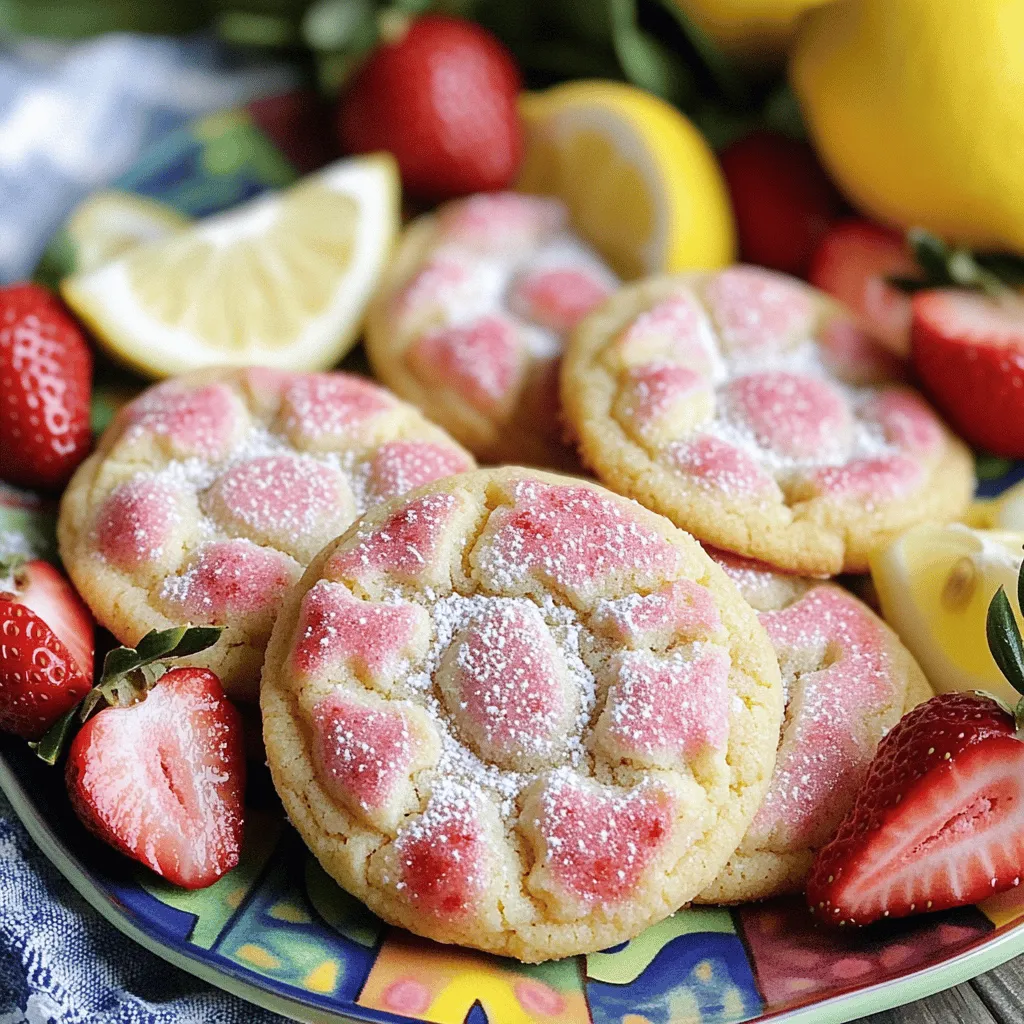
To make these delightful cookies, you will need: - 1 cup unsalted butter, softened to room temperature - 1 cup granulated sugar - 1 large egg - 2 tablespoons freshly squeezed lemon juice - 1 tablespoon finely grated lemon zest - 2 cups all-purpose flour - 1/2 teaspoon baking soda - 1/4 teaspoon salt - 1 cup fresh strawberries, hulled and finely chopped - 1/2 cup powdered sugar (for dusting) This simple list of ingredients brings together sweet and tangy flavors. Each one plays a role in making these cookies shine. When measuring, always use dry measuring cups for flour and sugar. Spoon the flour into the cup and level it off with a knife. This method avoids packing flour and helps keep your cookies light. For liquid ingredients, like lemon juice, use a liquid measuring cup. - Egg: Use a large egg for best results. - Butter: Make sure your butter is soft, not melted. This helps your cookies keep their shape. If you cannot find some ingredients, here are some swaps: - Butter: You can use coconut oil, but the texture will change. - Sugar: Try using brown sugar for a richer flavor. - Flour: A gluten-free blend can work as a substitute. - Strawberries: If fresh strawberries are not available, use frozen ones. Just chop them and drain excess moisture before adding. These options allow you to customize the recipe to fit your needs while keeping the flavor intact. For the full recipe, follow the steps and enjoy a batch of yummy cookies! Start by preheating your oven to 350°F (175°C). This step is key for even baking. While the oven warms up, line a baking sheet with parchment paper. This helps the cookies come off easily after baking. Next, grab a large mixing bowl. Cream together 1 cup of softened butter and 1 cup of granulated sugar. Use a hand mixer or stand mixer for this. Mix until the blend is light and fluffy, about 3-5 minutes. Then, crack in 1 large egg. Add 2 tablespoons of freshly squeezed lemon juice and 1 tablespoon of finely grated lemon zest. Mix on medium speed until everything is smooth. In a separate bowl, whisk together 2 cups of all-purpose flour, 1/2 teaspoon of baking soda, and 1/4 teaspoon of salt. This helps the cookies rise well. Gradually add the dry mix to the wet mix. Stir gently until just combined. Be careful not to overmix. Now, fold in 1 cup of finely chopped fresh strawberries using a rubber spatula. Make sure they are evenly spread in the dough but don’t break them down too much. Use a tablespoon or cookie scoop to drop rounded balls of dough onto the prepared baking sheet. Space them about 2 inches apart. This lets them spread nicely while baking. Bake the cookies in your preheated oven for about 12-15 minutes. Look for lightly golden edges, while the centers should still be soft. When they are ready, take the baking sheet out. Let the cookies cool on the sheet for about 5 minutes. Then, move them to a wire rack to cool completely. Once cooled, dust the cookies with 1/2 cup of powdered sugar for a sweet finish. Enjoy your delicious strawberry lemonade cookies! For the complete recipe, check out the Full Recipe section. To get a soft and chewy cookie, use softened butter. Room temperature butter mixes well with sugar, creating air pockets. This helps the cookies rise nicely. Don’t overmix after adding flour. Mix just until combined. This keeps the cookies tender. One common mistake is using cold butter. Cold butter makes the cookies dense and hard. Another mistake is overbaking. Keep an eye on the cookies. They should be lightly golden on the edges but soft in the center. Lastly, don’t skip the cooling step. Letting them cool helps set the perfect texture. For a fun look, stack the cookies on a bright plate. Add fresh strawberries and lemon wedges around them. This adds color and makes the dish pop. You can also drizzle a little lemon glaze on top for extra flair. Dusting with powdered sugar gives a sweet finish, making them even more inviting. Enjoy these cookies fresh with a glass of lemonade for a perfect treat! {{image_4}} You can make gluten-free strawberry lemonade cookies with a few swaps. Use gluten-free flour instead of regular flour. Brands like Bob's Red Mill or King Arthur Flour work well. Check the package for a one-to-one ratio. This keeps the texture light and fluffy. You won’t lose any lemony or fruity flavor. Feel free to get creative! You can add blueberries, raspberries, or even peaches. Fresh fruit gives a nice twist to your cookies. If you want more citrus, try adding lime zest or juice. This adds a fun zing and bright flavor. Mix it up and enjoy the different tastes! While dusting with powdered sugar is great, icing can add extra flair. A simple lemon glaze can take your cookies to the next level. Mix lemon juice with powdered sugar until smooth. Drizzle it over cooled cookies for a sweet finish. You might also want to sprinkle some zest on top for color. If you want a different flavor, try a strawberry glaze! Just blend fresh strawberries with powdered sugar and use it as a topping. To keep your strawberry lemonade cookies fresh, store them in an airtight container. This helps to keep them soft and moist. Place a piece of bread in the container to absorb extra moisture. The cookies will taste great for days! You can freeze these cookies for later enjoyment. First, let them cool completely. Then, place the cookies in a single layer on a baking sheet. Freeze them for one to two hours. Once frozen, transfer them to a freezer bag. Be sure to remove as much air as possible before sealing. You can freeze them for up to three months. When stored properly, your strawberry lemonade cookies can last up to one week at room temperature. If you choose to freeze them, they will stay fresh for about three months. Remember to thaw them at room temperature before enjoying. For the full recipe, check out the previous section. Yes, you can use frozen strawberries for these cookies. Just make sure to thaw and drain them first. This step prevents extra moisture in your cookie dough. Chopping them into small pieces helps too. However, fresh strawberries give the best flavor and texture. To make these cookies vegan, replace the egg with a flax egg. Mix one tablespoon of ground flaxseed with three tablespoons of water. Let it sit for five minutes to thicken. Use vegan butter in place of regular butter. These swaps keep the cookies soft and tasty. Pre-made strawberry lemonade cookies can often be found at local bakeries or specialty stores. Check online for options too. Some larger grocery stores may carry them in the bakery section. If you want a fun treat, try making the cookies at home using the full recipe! We explored how to make delicious strawberry lemonade cookies. You learned the complete ingredient list and measurement tips to ensure success. We covered step-by-step instructions for baking and cooling, along with tips for perfect texture and common mistakes to avoid. Variations let you customize your cookies, and proper storage keeps them fresh. Remember, experimenting with flavors can make your cookies even better. Now, it's time to bake and share some sweet treats!

Strawberry Lemonade Cookies Delightful and Sweet Treat

Get ready to bake a batch of joy with Strawberry Lemonade Cookies! These sweet treats bring a bright twist to

Here’s the list of ingredients you'll need for the Mediterranean Salad Bowl: - Quinoa, vegetable broth, cherry tomatoes - Cucumber, red bell pepper, red onion - Chickpeas, Kalamata olives, feta cheese - Fresh parsley, olive oil, lemon juice - Dried oregano, salt, and pepper Using these fresh and colorful ingredients makes the salad vibrant and tasty. Quinoa serves as a hearty base. It adds protein and fiber, making it filling. The vegetable broth enhances the quinoa’s flavor. Cherry tomatoes bring a juicy sweetness. Cucumbers add crunch and freshness. Red bell pepper gives a pop of color and sweetness. Red onion adds a sharp bite, balancing the flavors. Chickpeas pack in protein and fiber, making the dish hearty. Kalamata olives add a briny taste that contrasts well with the other ingredients. Feta cheese lends a creamy texture and tangy flavor. Fresh parsley brightens the dish with lots of color and a mild flavor. Olive oil and lemon juice create a simple, zesty dressing. Dried oregano adds an earthy note. Lastly, salt and pepper enhance all the flavors. You can find the Full Recipe in the article to guide you through the steps. Enjoy creating this healthy and flavorful delight! 1. In a medium-sized pot, boil 2 cups of vegetable broth or water. 2. Once it boils, add 1 cup of rinsed quinoa. 3. Lower the heat to a gentle simmer. 4. Cover the pot and cook for about 15 minutes. 5. Check that the quinoa is tender and all the liquid is gone. 6. Remove the pot from heat and let it cool for a few minutes. 1. Grab a large mixing bowl. 2. Mix in the halved cherry tomatoes, diced cucumber, diced red bell pepper, finely chopped red onion, drained chickpeas, sliced Kalamata olives, and chopped parsley. 3. Gently toss all the fresh ingredients together until combined. 1. In a small bowl, whisk together 3 tablespoons of olive oil, 2 tablespoons of lemon juice, 1 teaspoon of dried oregano, and a pinch of salt and pepper. 2. This vibrant dressing adds flavor to the salad. 1. Add the cooled quinoa to the salad mixture. 2. Pour the dressing over the top of the salad. 3. Gently toss everything together until well mixed. 4. Finally, sprinkle ½ cup of crumbled feta cheese over the salad. 5. Give it a light toss to incorporate the feta without breaking it up too much. Feeling excited? You should be! This Mediterranean Bliss Bowl is a feast for your taste buds. For the full recipe, check out the section above! To make the best quinoa, start by rinsing it well. Rinse under cold water for about 2 minutes. This step helps remove the bitter coating called saponin. After rinsing, you will notice a cleaner taste. How do you know when quinoa is done? Look for little white tails to appear. It usually takes about 15 minutes on low heat. When all the water is gone, it's ready. To boost flavor, try adjusting your seasonings. A pinch of smoked paprika can add depth. You can also add a splash of balsamic vinegar for a tangy twist. Fresh herbs elevate your dish. Try using basil or mint for a fresh taste. Chopped herbs sprinkled on top can brighten the flavors. For meal prep, serve the salad in individual bowls. This makes it easy to grab and go. You can also layer the ingredients for a beautiful look. Garnish with extra parsley and a lemon wedge. This adds color and makes the dish pop. A sprinkle of sesame seeds can also add a nice touch. For the full recipe, check out the Mediterranean Bliss Bowl. {{image_4}} You can easily switch grains in your Mediterranean salad bowl. Instead of quinoa, try farro or brown rice. Both options add a unique taste and texture. You can also use barley for a chewy bite. For protein, you can swap chickpeas with black beans or lentils. Each legume brings a different flavor, making your salad exciting. Want to add creaminess? Avocado works great in this bowl! Just slice it and mix it in. You can also add nuts for a crunchy element. Try walnuts or almonds for a tasty twist. If cheese is your thing, try goat cheese or mozzarella instead of feta. Each cheese adds a new layer of flavor. Vinaigrettes can change the whole taste. Instead of the classic, try a balsamic vinaigrette or a tahini dressing. Both will give your salad a fresh spin. To amp up your dressing, add herbs like basil or dill. These herbs can brighten the flavors and make the dish pop. You can find the full recipe [here](#). To keep your Mediterranean Bliss Bowl fresh, store leftovers in the fridge. Use airtight containers to prevent moisture loss. This keeps your salad crisp and tasty. Always let the salad cool down before sealing. This helps avoid condensation inside the container. You can freeze your Mediterranean salad bowls, but some parts work better than others. First, store the quinoa and veggies separately from the dressing. This keeps everything fresh. When you want to eat it, thaw the salad overnight in the fridge. For quicker thawing, use cold water. Just make sure to keep the dressing separate until you’re ready to serve. In the fridge, your Mediterranean Bliss Bowl lasts about three to five days. Check for signs that the salad has gone bad. If the vegetables look soggy or smell off, it's best to toss it. Always trust your senses. Fresh ingredients make this salad special, so use it up while it’s still good! A Mediterranean Salad Bowl is a vibrant and healthy dish. It combines fresh ingredients, flavors, and textures. Key components include quinoa, colorful vegetables, and protein-rich chickpeas. You often find cherry tomatoes, cucumbers, and olives in this bowl. Feta cheese adds a creamy touch. The dressing is simple yet tasty, made from olive oil, lemon juice, and herbs. This salad is perfect for lunch or dinner. Yes, you can prepare this salad in advance. Cook the quinoa and let it cool before mixing it with vegetables. Store the salad in the fridge for up to two days. Keep the dressing separate until you are ready to eat. This keeps the veggies crisp and fresh. You can pack it for lunch or serve it at a gathering. This salad pairs well with several options. You can serve it with grilled chicken or fish for extra protein. Warm pita bread also complements the flavors nicely. Consider adding a side of hummus or tzatziki for dipping. For a complete meal, you might serve it alongside a warm soup. Yes, the Mediterranean Bliss Bowl can be vegan. Simply leave out the feta cheese or use a plant-based cheese instead. All other ingredients, like quinoa, chickpeas, and fresh veggies, are naturally vegan. This makes the bowl a great option for those on a plant-based diet. Enjoy the flavors without any animal products! This Mediterranean salad bowl is simple and full of flavors. You learned how to mix fresh ingredients like quinoa, veggies, and feta. We covered easy steps for making it. Tips for better taste and presentation are helpful, too. You can also choose different ingredients based on your preference. Remember, leftovers can last for days if stored right. Enjoy making this colorful dish for meals or gatherings. It’s healthy and pleasing for everyone!

Mediterranean Salad Bowl Healthy and Flavorful Delight

Looking for a meal that’s both healthy and bursting with flavor? Try my Mediterranean Salad Bowl! This vibrant dish combines

To make a delicious Japanese cucumber salad, you need the following ingredients: - 2 large Japanese cucumbers (or regular cucumbers), thinly sliced - 1 teaspoon salt - 1 tablespoon rice vinegar - 1 tablespoon sesame oil - 1 teaspoon soy sauce - 1 teaspoon sugar - 1 teaspoon freshly grated ginger - 1 tablespoon toasted sesame seeds - 2 green onions, finely chopped - Fresh cilantro sprigs for garnish (optional) This recipe features key ingredients that bring authentic flavors. - Japanese cucumbers: These are long, thin, and have a crisp texture. They have fewer seeds and a delicate skin. - Rice vinegar: This vinegar is milder than other types. It adds a gentle tang to the salad. - Sesame oil: This oil has a rich, nutty flavor. It enhances the overall taste of the dish. - Soy sauce: This adds umami depth. It balances the sweetness from the sugar. Choosing the right cucumbers is vital for this salad. Here are some tips: - Look for cucumbers that are firm and smooth. They should not have soft spots or wrinkles. - Pick cucumbers that feel heavy for their size. This indicates high water content and freshness. - Choose organic cucumbers if possible. They often have better flavor and are free from pesticides. - Avoid cucumbers with a yellow tint, as this suggests overripeness. These tips will help you select the best cucumbers for your salad. For the complete process, check the [Full Recipe]. To start, I slice the cucumbers thinly. You can use either Japanese cucumbers or regular ones. I place the cucumber slices in a colander and sprinkle them with salt. This step is key! The salt draws out extra water and makes the cucumbers crisp. Let them sit for 10 to 15 minutes. After this, I give them a gentle squeeze to remove any remaining moisture. While the cucumbers drain, I mix up the dressing. In a small bowl, I whisk together rice vinegar, sesame oil, soy sauce, sugar, and freshly grated ginger. I mix until the sugar dissolves. This dressing gives the salad its unique flavor. Set it aside until the cucumbers are ready. Once the cucumbers are ready, I transfer them to a clean bowl. Next, I drizzle the dressing over the cucumbers. I toss everything gently so each slice gets a nice coating. Then, I add toasted sesame seeds and chopped green onions. I toss the mixture again, allowing the flavors to blend well. I let the salad sit for about 10 minutes before serving. This waiting time helps the flavors meld together. If I want, I add fresh cilantro sprigs for garnish at the end. This crisp Japanese cucumber salad is a fresh and crunchy delight! For the complete recipe, check the Full Recipe section. To make your cucumbers extra crispy, start by salting them. Salt pulls out water, which keeps your cucumbers firm. Slice the cucumbers thinly. Thin slices absorb flavors better and stay crunchy. Use a colander for draining. This lets excess moisture escape, giving you that perfect crunch. You can change the dressing to fit your taste. Want it sweeter? Add more sugar. Prefer it tangy? Increase the rice vinegar. For a spicy kick, mix in some chili flakes. You can also try citrus juice like lime or lemon for a fresh twist. Each change lets you create a unique flavor. How you serve the salad matters. Use a chilled bowl to keep it fresh. Layer cucumber slices in a circle for a beautiful look. You can also sprinkle extra sesame seeds on top. Adding a few cilantro sprigs gives color and flavor. These simple touches make your salad not just tasty but also pretty. For the full experience, check out the Full Recipe. {{image_4}} You can easily add protein to this salad. Grilled chicken, shrimp, or tofu work well. Simply slice your choice of protein and mix it in with the cucumbers. This change makes your meal more filling. For a fun twist, try adding edamame or chickpeas. They add great texture and flavor too. Feel free to play with other vegetables. Carrots, radishes, or bell peppers add color and crunch. Thinly slice any extra veggies you want to add. You can even toss in some avocado for creaminess. Mixing different textures enhances this salad's appeal and makes it more nutritious. You can customize the flavors to your taste. If you like it sweeter, add a bit more sugar. For a saltier taste, increase the soy sauce. You could also try adding a splash of lime juice for a zesty kick. Experiment with these tweaks to find your perfect balance. For the full details on making this salad, check out the Full Recipe. To keep your Japanese cucumber salad fresh, store it in an airtight container. This will prevent air from getting in and causing the salad to wilt. Place it in the fridge right after serving. If you have extra dressing, store it separately. This way, you can keep the cucumbers crisp for longer. It’s best to eat leftovers within two days for the best flavor and texture. I do not recommend freezing cucumber salad. Cucumbers contain a lot of water. When frozen, they can become mushy and lose their crunch. Refrigerating is the best option. It keeps the salad fresh and tasty. The flavors will also deepen as it sits. Just remember to eat it within a few days for the best experience. When stored properly in the fridge, Japanese cucumber salad lasts about two to three days. After that, the cucumbers may start to lose their crispness. If you notice any signs of spoilage, like an off smell or slimy texture, it’s best to throw it away. For optimal taste, enjoy it fresh. This recipe is great for making ahead, but aim to finish it within that time frame. Japanese cucumber salad, or "kyuri no sunomono," comes from Japan. This dish highlights fresh cucumbers, often served as a side. The salad is part of Japanese cuisine, which values freshness and balance. It is popular in summer when cucumbers are at their best. People enjoy it for its crispness and light flavor. You can find it in many Japanese homes and restaurants. Yes, you can substitute some ingredients if needed. For example, if you can’t find Japanese cucumbers, regular cucumbers work too. You can also swap rice vinegar with apple cider vinegar for a different taste. If you prefer a gluten-free option, choose tamari instead of soy sauce. Feel free to mix in other veggies, like radishes or carrots, for extra crunch. Just remember to keep the balance of flavors. To add some heat, you can include sliced chili peppers or a dash of chili oil. Another option is to mix in some wasabi paste into the dressing. Start with a small amount and taste as you go. You can also try using spicy sesame oil for a unique flavor. Adjust the heat level to suit your taste. Enjoy experimenting with flavors in your salad! Japanese cucumber salad brings fresh flavors and a healthy crunch. We explored the ingredients, from the key components to selecting fresh cucumbers. The step-by-step guide showed how to prepare and mix everything for perfect taste. Tips on making cucumbers crisp and customizing the dressing added depth. We even discussed how to store leftovers and make tasty variations. This salad is easy to make and fun to enjoy. Experiment with flavors and ingredients to make it your own. Dive in and enjoy this refreshing dish!

Japanese Cucumber Salad Fresh and Crunchy Delight

If you’re looking for a refreshing dish that’s easy to make, Japanese cucumber salad is a must-try. Crisp cucumbers and

- 1 cup fresh lemon juice (approximately 4-6 juicy lemons) - 1 cup granulated sugar - 1 cup water - 1 cup firmly packed fresh basil leaves - Zest of 2 lemons - Pinch of salt - 1 tablespoon lemon zest (for optional garnish) When making Lemon Basil Sorbet, the balance of flavors is key. Fresh lemon juice gives the sorbet its bright and tangy kick. You’ll need around four to six juicy lemons for one cup of juice. Granulated sugar adds sweetness to balance the tartness. It’s essential to use just the right amount of sugar to keep it refreshing. Water is your base, helping dissolve the sugar and make the simple syrup. The flavor enhancer comes from fresh basil leaves. I love using one cup of packed leaves, as they offer a fragrant touch. The zest of two lemons amplifies the citrus notes. Lastly, a pinch of salt rounds out all the flavors beautifully. For serving, consider adding a sprinkle of lemon zest as a garnish. It adds color and a touch of flavor. These ingredients blend perfectly to create a delicious sorbet that is both refreshing and flavorful. You can find the Full Recipe above for specific measurements and instructions. To start, you need to make the simple syrup. In a small saucepan, mix one cup of water and one cup of sugar over medium heat. Stir the mixture well. Keep stirring until the sugar is fully dissolved. You want a smooth syrup without any grainy bits. Now it’s time to infuse the flavors. Remove the syrup from heat and add one cup of fresh basil leaves. Let the basil steep in the syrup for about 30 minutes. This step is key. It boosts the basil flavor and makes your sorbet taste fresh and bright. Next, strain the basil-infused syrup into a bowl. Press down with a spoon to get all the liquid. Discard the basil leaves. Now, mix the syrup with one cup of fresh lemon juice, the zest of two lemons, and a pinch of salt. Stir until everything blends well. Pour this zesty mix into a shallow, freezer-safe container. Cover it and place it in the freezer. Freeze for about two hours, or until the edges are firm. After two hours, use a fork to scrape and fluff the mixture. This breaks up any ice crystals. Return it to the freezer and repeat this every 30 minutes for two to three hours. You want a light and fluffy texture. For the full recipe, see the main article. Enjoy making this refreshing treat! To make your Lemon Basil Sorbet fluffy, follow a few key steps. First, you want to freeze your mixture properly. After the initial freeze for about two hours, scrape it with a fork every 30 minutes. This breaks up ice crystals and creates a light texture. Continue this process for about 2-3 hours until it’s perfectly fluffy. If you want a creamier sorbet, try adding a splash of coconut milk during mixing. When it comes to serving your sorbet, chilled bowls work best. They keep your treat cool longer. You can also add flair with garnishes. A sprinkle of lemon zest on top adds color and flavor. For an elegant touch, add a fresh basil leaf. These simple steps make your sorbet look just as good as it tastes. Lemon and basil offer some great health perks. Lemons are high in Vitamin C, which boosts your immune system. Basil has antioxidants that can help your body fight off harmful free radicals. Plus, this sorbet is a low-calorie dessert option. It’s a tasty way to satisfy your sweet cravings without guilt. Enjoy this refreshing treat that is both healthy and delicious. {{image_4}} You can switch up the herbs in your sorbet. Instead of basil, try fresh mint or thyme. Mint gives a cool taste, while thyme adds a unique twist. Adjust the sweetness to your liking. Use less sugar for a tart treat or try sugar substitutes like honey or agave. These changes can create a new flavor that surprises your taste buds. Want to get creative? Add fruit purees like strawberries or raspberries for extra sweetness. A splash of vanilla extract can also enhance the flavor. You can mix in other citrus fruits too. Think lime or orange zest to brighten the taste. These additions can make your sorbet more exciting and unique. If you prefer a creamy texture, try using coconut milk. Replace half of the water in the recipe with coconut milk. This change adds richness and a smooth feel. For the best results, freeze the mixture in smaller containers. This helps it freeze evenly and stays creamy. You’ll love this twist on a classic lemon basil sorbet! For the full recipe, see the Lemon Basil Sorbet section above. To keep your lemon basil sorbet fresh, use airtight containers. Glass or plastic containers work well. Make sure they seal tightly. This helps keep out air and moisture. If you want to avoid freezer burn, layer a piece of plastic wrap on the sorbet before sealing. This extra step adds more protection. When stored properly, lemon basil sorbet lasts about two weeks in the freezer. After this, the taste and texture may change. Look for ice crystals or a dry surface. These signs mean it's time to toss the sorbet. A good sorbet should also smell fresh and bright. To serve your sorbet, take it out of the freezer about 10 minutes before serving. This helps it soften. Use a spoon to scoop it out easily. If it’s still hard, run the container under warm water for 30 seconds. This method gently warms the edges, making it easier to scoop. Enjoy your treat! Lemon basil sorbet is a light and refreshing dessert. It combines bright lemon juice with fragrant basil. This sorbet offers a unique twist on traditional flavors. You will love the balance of sweet and tangy notes. The main parts of this dessert include: - Fresh lemon juice: This gives the sorbet its tart flavor. - Granulated sugar: It sweetens the mixture, balancing the tartness. - Water: This helps dissolve the sugar and creates a smooth texture. - Fresh basil leaves: They add a fresh, herbal note that makes this sorbet special. - Lemon zest: This boosts the lemon flavor and adds depth. - Salt: A pinch enhances all the flavors. You will find this sorbet easy to make. It is perfect for hot days or as a light finish to any meal. Yes, you can make lemon basil sorbet without an ice cream maker! There are simple methods to do this. One way is to pour the mixture into a shallow dish. After about two hours, check the mixture. Once it starts to freeze around the edges, scrape it with a fork. This helps break up ice crystals. Continue doing this every 30 minutes until it is fluffy. Another method is to use a blender. Blend the mixture after it freezes for a while. This will help create a smooth texture. Both methods will give you a tasty sorbet that is easy to enjoy. The full recipe for lemon basil sorbet takes about 2 to 3 hours to freeze. First, you make the mixture and pour it into a container. After that, freeze it for about 2 hours. At this point, it will start to set around the edges. Once you scrape it with a fork, return it to the freezer. You should repeat this process every 30 minutes. Continue until the sorbet is light and fluffy. This technique helps create a smooth texture. Enjoy your refreshing treat once ready! Lemon basil sorbet combines fresh lemon juice and basil for a tasty treat. You start by making a simple syrup, infusing it with basil. Next, you mix the syrup with lemon juice and zest before freezing. Tips, variations, and storage help you succeed. Enjoy this low-calorie dessert while exploring new flavors. Whether you stick to the basics or try alternatives, you’ll create a delightful sorbet that impresses. Enjoy the refreshing burst of taste!

Lemon Basil Sorbet Refreshing and Flavorful Treat

Looking for a cool, refreshing treat? Lemon Basil Sorbet combines zesty lemon with fragrant basil, creating a vibrant dessert that

- 2 large heirloom tomatoes, beautifully sliced - 2 ripe peaches, pitted and sliced into wedges - 1/4 cup fresh basil leaves, torn into smaller pieces Fresh produce is key to this salad. Heirloom tomatoes bring color and flavor. They have a rich taste and juicy texture. Ripe peaches add sweetness and a hint of tartness. Choose peaches that give slightly when you press them. Fresh basil brings a fragrant note. It also enhances the overall flavor profile. - 1 ball of fresh, creamy burrata cheese Burrata cheese is the star here. Its creamy texture pairs perfectly with the fruit. When you cut into it, the cream spills out. This makes every bite rich and delicious. If you can’t find burrata, use fresh mozzarella. It won’t be as creamy, but it still tastes great. - 2 tablespoons rich balsamic glaze - 2 tablespoons high-quality extra virgin olive oil - Salt and freshly cracked black pepper to taste The dressing is simple yet vital. Balsamic glaze adds sweetness and tang. It also gives a beautiful finish to the salad. Extra virgin olive oil adds richness and depth. Use good quality oil for the best flavor. Finally, salt and pepper enhance all the tastes. They bring out the natural sweetness of the tomatoes and peaches. You can find the full recipe [here]. Enjoy every bite of this fresh and flavorful dish! - Start by washing the heirloom tomatoes and peaches under cold running water. - Gently pat them dry with a clean kitchen towel to remove any excess moisture. - Carefully slice the heirloom tomatoes into thick, even rounds. - Cut the peaches into appealing wedges for a nice look. - Take a large, flat serving platter. - Artfully alternate layers of the sliced tomatoes and peach wedges in a circular shape. - Gently tear the burrata cheese into generous pieces and place it in the center of the platter. - This allows the burrata to ooze its creamy texture, making it more delightful. - Scatter the torn basil leaves over the entire salad to add color and aroma. - Using a spoon, drizzle the balsamic glaze evenly over the salad. - Follow this with a drizzle of extra virgin olive oil for rich flavor. - Sprinkle with salt and freshly cracked black pepper to enhance the taste. - Serve the salad right away to enjoy the freshness of the ingredients. For the full recipe, you can find all the details that make this dish shine. To make your Tomato Peach Burrata Salad shine, pay attention to how you arrange the ingredients. Start with a large, flat platter. Alternate the sliced heirloom tomatoes and peach wedges in a circular pattern. This creates a beautiful visual effect that is sure to impress. For garnishing, use whole basil leaves on top. Add a light drizzle of extra balsamic glaze for a finishing touch. This not only enhances the look but also adds more flavor. Consider adding nuts or seeds to your salad for a delightful crunch. Toasted almonds or sunflower seeds work great. They bring a nice texture and flavor contrast. You can also incorporate citrus for brightness. A squeeze of lemon juice over the salad can lift the flavors. It adds a zesty kick that pairs well with the sweetness of peaches and tomatoes. Be careful not to over-salt your salad. A pinch of salt goes a long way. Too much can ruin the fresh taste of the ingredients. Always use ripe ingredients. If your peaches or tomatoes are not ripe, the salad will lack flavor. Look for fruits that yield slightly when pressed. This means they are ready to eat and will make your salad taste amazing. {{image_4}} You can change the fruits in this salad based on the season. In summer, use juicy peaches, but in fall, try pears. This keeps the dish fresh and exciting. You can also mix in seasonal herbs. If you have mint or dill, they can add a fun twist. If you want a vegan option, use cashew cheese instead of burrata. It gives a creamy texture without dairy. For those who are gluten-free, this salad works perfectly. All the ingredients are naturally gluten-free, so you don’t have to worry. To add some heat, toss in sliced jalapeños or red pepper flakes. This gives your salad a spicy kick. You can also switch oils for different flavors. Try avocado oil or infused olive oil for a unique taste. Each oil brings its own charm to the salad. For the Full Recipe, check out the complete instructions and tips! To keep your Tomato Peach Burrata Salad fresh, store it in the fridge. Place it in an airtight container. This keeps moisture in and air out. Use the salad within two days for the best taste. If you have any leftovers, cover them tightly. This prevents the flavors from mixing. Freezing this salad is not a great option. The tomatoes and peaches can get mushy when thawed. Instead, keep the ingredients separate. You can freeze burrata cheese, but it may change in texture. To keep ingredients fresh, buy them when ripe. Store peaches at room temperature until they ripen. Keep tomatoes in a cool, dark place. To refresh your salad, add a splash of olive oil. This lifts the flavors. You can also add a squeeze of lemon juice for a zesty kick. If you want to repurpose leftovers, try using them in a sandwich. Layer the salad on crusty bread for a tasty treat. You could also mix the salad into pasta for a quick dish. Check out the [Full Recipe] for all the steps to create this dish! When you shop for peaches, look for ones that feel soft but not mushy. They should have a sweet smell. Color is key too; go for bright yellow or golden hues. For tomatoes, pick ones that feel heavy for their size. They should be firm yet slightly give when pressed. A rich color and smooth skin show ripeness. Yes, you can prep some parts ahead of time. Slice the tomatoes and peaches, but do not mix them with burrata yet. Keep them in the fridge in separate containers. Assemble the salad just before serving to keep the ingredients fresh. This salad is packed with vitamins A and C, thanks to the tomatoes and peaches. The burrata provides calcium and protein. Each serving has about 250 calories. It's a light dish that offers good nutrition without being heavy. Pair this salad with crusty bread or grilled chicken. A glass of chilled white wine complements the flavors well. You can also serve it alongside a simple pasta dish or a light soup for a full meal. Check the full recipe for more ideas! This blog post detailed how to make a delicious Tomato Peach Burrata Salad. We explored fresh ingredients like heirloom tomatoes, ripe peaches, and creamy burrata. I outlined easy preparation steps, assembly, and final touches to elevate your dish. Remember to avoid common mistakes like over-salting and keep your ingredients ripe. You can also customize this salad for different seasons and diets. Enjoy the fresh flavors, and make it your own!

Tomato Peach Burrata Salad Fresh and Flavorful Dish

If you’re looking for a dish that sings with summer flavors, look no further! This Tomato Peach Burrata Salad combines

- 4 boneless chicken thighs - 1 cup pineapple juice - 2 tablespoons soy sauce - 2 tablespoons honey - 1 teaspoon freshly grated ginger - 2 cloves garlic, finely minced - 1 teaspoon sesame oil - Salt and pepper, to taste - 1 bell pepper (red or yellow), thinly sliced - 1 cup cherry tomatoes, halved - Fresh cilantro leaves, for garnishing - 1 cup jasmine rice - 1 cup coconut milk - 1/2 cup water - Pinch of salt To make this dish really pop, choose fresh ingredients. The chicken thighs absorb the sweet and tangy marinade well. Pineapple juice gives a nice tropical taste. The honey adds a hint of sweetness. For the veggies, I love using a bright bell pepper and juicy cherry tomatoes. They add color and freshness. Don't forget the cilantro! It makes everything look pretty and adds flavor. For the coconut rice, jasmine rice is my go-to. It cooks up fluffy and fragrant. Mixing coconut milk with water creates a creamy texture. The pinch of salt balances the sweetness. You can find the full recipe with cooking steps in the [Full Recipe]. Enjoy creating this flavorful dish! First, gather your marinade ingredients. You need pineapple juice, soy sauce, honey, ginger, garlic, and sesame oil. Combine these in a bowl. Mix well so the flavors blend together. Next, add the boneless chicken thighs. Make sure each piece gets coated with the marinade. Cover the bowl with plastic wrap. Place it in the fridge for at least 30 minutes. If you have time, let it marinate for up to 2 hours. This helps deepen the flavor. Start by rinsing the jasmine rice. Do this under cold water until it runs clear. This removes excess starch and keeps the rice fluffy. In a saucepan, mix coconut milk, water, and a pinch of salt. Bring this to a gentle boil over medium heat. Once it boils, add the rinsed rice. Stir it once, then cover the pot with a lid. Lower the heat and let it simmer for 15 to 20 minutes. When the rice is tender, fluff it with a fork. Keep it covered to stay warm. Heat a grill pan or skillet over medium-high heat. Take the chicken out of the marinade. Shake off any excess marinade and season with salt and pepper. Place the chicken thighs in the pan. Cook them for about 5 to 7 minutes on each side. Use a meat thermometer to check the internal temperature. It should reach 165°F (75°C) to be safe to eat. In the last few minutes of cooking, add the sliced bell pepper and halved cherry tomatoes to the pan. Pour the reserved marinade over the vegetables. This will help flavor them as they cook. Let everything cook together for another 2 to 3 minutes. The veggies should soften slightly, and the sauce will thicken. To serve, create a mound of coconut rice on a large plate. Place the grilled chicken thighs on top of the rice. Arrange the sautéed vegetables around the chicken. Drizzle any leftover sauce from the pan over the dish. Finally, garnish with fresh cilantro leaves. This adds a pop of color and a burst of freshness. Enjoy your Hawaiian chicken with coconut rice! For more details, check the Full Recipe. To get the best taste from your Hawaiian chicken, marinate it longer. A longer marination time lets the chicken soak up all the yummy flavors. Try to marinate for at least one hour. If you love sweet dishes, adjust the honey to suit your taste. More honey gives a sweeter flavor, while less makes it less sweet. Use a meat thermometer to check the chicken's doneness. This tool helps you know when your chicken is cooked just right. Aim for an internal temperature of 165°F (75°C). You can cook the chicken on a grill or in a skillet. Grilling gives it a nice smoky flavor. Skillet cooking is great for juicy chicken with a bit of sauce. Serve your Hawaiian chicken with a tropical fruit salad for a fresh touch. Fruits like mango or pineapple pair well with the dish. You can also add sides like steamed broccoli or a simple green salad to complete your meal. These sides add color and nutrition to your plate. {{image_4}} You can easily switch the chicken for shrimp or tofu. Shrimp cooks quickly and adds a nice touch. Tofu is a great plant-based option. Cut it into cubes and marinate just like the chicken. You can also use different cuts of chicken, like breast or wings. Each cut brings its own flavor and texture. For a healthy twist, try using brown rice or quinoa instead of jasmine rice. Both options offer more fiber and nutrients. You can also enhance the coconut rice with lime zest or coconut flakes. Lime adds a zesty kick, while coconut flakes bring extra flavor and crunch. If you like heat, add chili flakes or jalapeños to the dish. Both ingredients can spice things up quickly. You might also try using spicy soy sauce in the marinade. It gives the chicken a bold flavor that pairs well with coconut rice. Feel free to explore these variations. They can help you create your own unique version of Hawaiian Chicken with Coconut Rice. For the complete recipe, check out the [Full Recipe]. After enjoying your Hawaiian Chicken with Coconut Rice, store leftovers in an airtight container. This helps keep the flavors fresh. The recommended shelf life in the refrigerator is about three days. Make sure to let the dish cool down first before sealing it up. To freeze this dish, let it cool completely. Then, place it in a freezer-safe container. You can also use freezer bags for easy stacking. When you're ready to eat, thaw it overnight in the fridge. For best results, reheat in a pan over medium heat. This keeps the chicken juicy and the rice fluffy. For quick weeknight meals, pre-marinate the chicken. A few hours or overnight in the fridge makes a huge difference. You can also cook the coconut rice ahead of time. Reheating it in a pan with a splash of coconut milk can bring back its creamy texture. Yes, you can use frozen chicken thighs. Just make sure to thaw them first. The best way is to place them in the fridge overnight. If you need them quickly, you can use the microwave's defrost setting. Once thawed, follow the marinating steps. This way, your chicken will soak up all those tasty flavors. If you don’t have coconut milk, there are good options. Almond milk works well and adds a nice taste. Regular dairy milk is another choice, but it will change the flavor. You can also mix half coconut milk with half water for a lighter version. Each option will give your rice a different twist. To add heat, try using spices like chili flakes or cayenne pepper. Mix them into the marinade for a kick. You can also add hot sauce when you serve the dish. It’s easy to adjust the spice level based on your taste. Just remember, a little goes a long way! Yes, you can prep this dish ahead of time. Marinate the chicken the night before and store it in the fridge. You can also cook the coconut rice in advance. Just reheat it in the microwave or on the stove when you’re ready to serve. This makes weeknight dinners much easier! Tropical fruit salad is a great side. It adds freshness and balances the savory chicken. You can also serve it with a light green salad. Rice and beans make a filling option, too. Each of these sides will complement the flavors of Hawaiian chicken perfectly. For more ideas, check the Full Recipe! This recipe combines juicy chicken, vibrant veggies, and creamy coconut rice. Marinating chicken enhances the taste, while the rice adds a lovely texture. You can easily modify the dish with different proteins or grains. Whether you want a quick meal or a fun dish for guests, it works great. Don't forget to store leftovers right to keep them fresh. Happy cooking!

Hawaiian Chicken with Coconut Rice Flavorful Delight

Are you ready to transport your taste buds to a sunny beach in Hawaii? This blog post will guide you
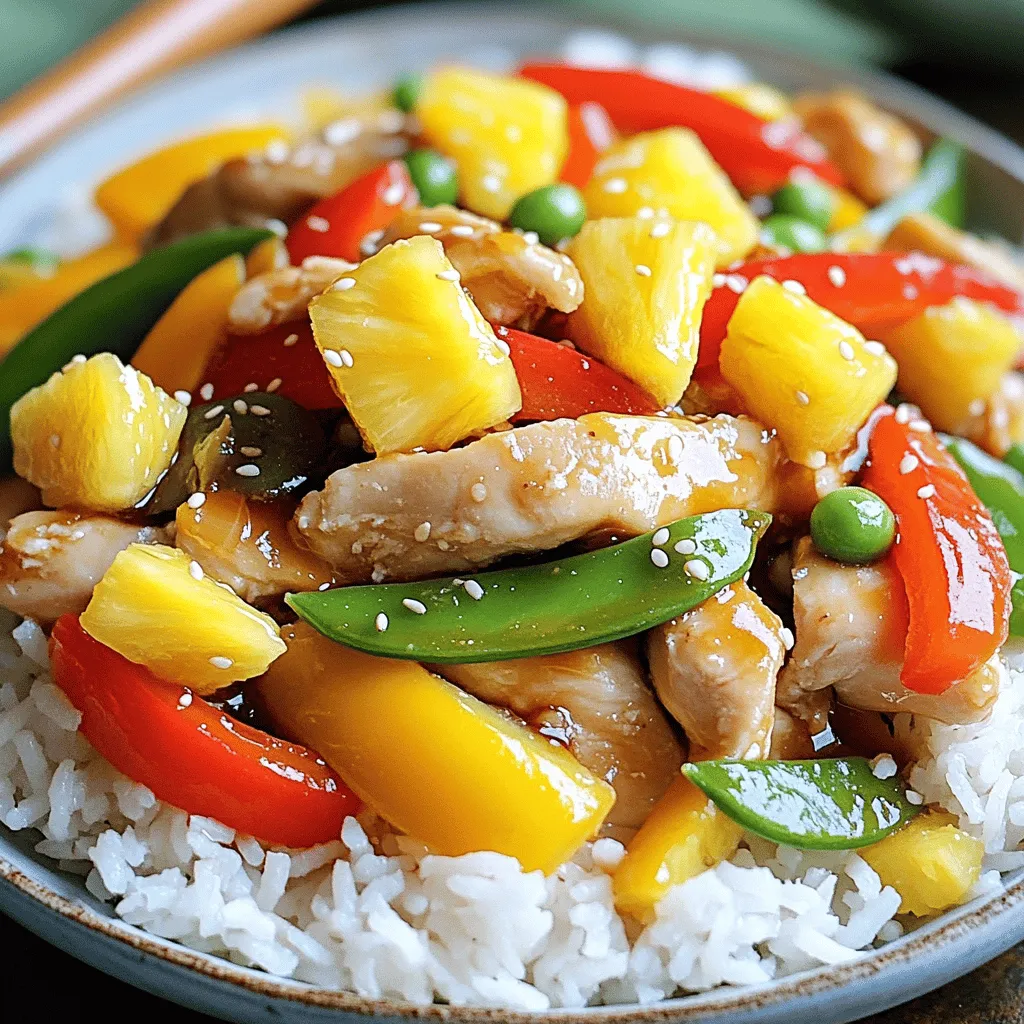
- 1 lb boneless, skinless chicken breast - 1 cup fresh pineapple - Bell pepper (red or yellow) - Snap peas, trimmed - Onion, thinly sliced - Garlic, minced - Fresh ginger, grated - Low sodium soy sauce - Honey or maple syrup (for vegan option) - Cornstarch slurry - Vegetable oil - Sesame oil - Cooked jasmine rice or quinoa - Optional garnishes like green onions and sesame seeds When you make Pineapple Chicken Stir Fry, you want the best ingredients. Start with fresh chicken. I recommend using boneless, skinless chicken breast. This cut cooks fast and stays juicy. Next, grab a cup of fresh pineapple. The sweet and tangy flavor brightens the dish. Choose a ripe pineapple for the best taste. For crunch, add a bell pepper. You can pick red or yellow. Both give a lovely color and flavor. Snap peas add a crisp texture. Make sure to trim them before adding. Onion, garlic, and fresh ginger bring depth. Slice the onion thinly. Mince the garlic finely. Grate the ginger for a strong taste. These aromatics make your stir fry fragrant and delicious. Now, let's talk sauces. Low sodium soy sauce is key. It adds umami without too much salt. Use honey or maple syrup if you want a sweet touch. The cornstarch slurry thickens the sauce. You’ll need vegetable oil for cooking. It has a high smoke point, perfect for stir-frying. Finally, finish your dish with sesame oil for a nutty flavor. For serving, I suggest cooked jasmine rice or quinoa. They soak up the sauce well. Garnish with green onions and sesame seeds for a nice pop. You can find the full recipe for all the steps to bring this dish to life! - First, season the chicken with salt and pepper. - Set it aside for a brief marination. This step adds flavor. - Heat oil in a skillet over medium-high heat. - Stir-fry the chicken until golden brown. This takes about 5-7 minutes. - Sauté the aromatics: onion, garlic, and ginger. - Add bell pepper and snap peas next. Stir them for 3-4 minutes. Keep them crisp! - Reintroduce the cooked chicken back to the skillet. - Add the diced pineapple. Pour in the soy sauce and honey. Mix well for even flavor. - Gradually add the cornstarch slurry into the pan. - Stir continuously until the sauce thickens. This should take about 2 minutes. - For a great presentation, serve in a large bowl. - Spoon the dish over jasmine rice or quinoa. Enjoy your tropical twist! - Garnish with green onions and sesame seeds for extra flair. A lime wedge adds a nice zing! To make a great stir fry, avoid overcrowding the pan. If the pan is too full, food will steam instead of fry. Cook in batches if needed. This keeps everything crispy and flavorful. Keep your vegetables tender-crisp. They should be bright and slightly firm. Stir-fry them quickly over high heat for the best texture. This way, you enjoy the fresh taste of each ingredient. For a nice kick, add chili flakes to your dish. They can spice things up without changing the overall flavor. Start with a small amount, then add more if you like heat. You can also experiment with different vegetables. Try adding broccoli, carrots, or zucchini. Each brings its unique taste. Mixing colors and textures makes your dish even more appealing. Use effective stir-frying methods to get the best results. Heat your pan well before adding oil. A hot pan sears the food, sealing in flavor. High heat is crucial for a successful stir fry. It cooks the food fast, keeping the nutrients intact. This gives you a quick and healthy meal. For the full recipe, check out the Tropical Pineapple Chicken Stir Fry. {{image_4}} You can switch the chicken for shrimp or tofu. Shrimp cooks fast and adds a nice taste. Tofu is great for a vegetarian or vegan meal. Just press and cube it before cooking. Both options keep the dish tasty and fun. Try adding mango or bell peppers for a fresh twist. Mango gives a sweet flavor that pairs well with the pineapple. Bell peppers add crunch and color. You can also use diced apples or peaches to add sweetness. These fruits blend well with the savory sauce. You can adjust the sweetness by adding more or less honey. If you want a different taste, try teriyaki or oyster sauce. These sauces can give a new flavor profile to your dish. Each option makes your Pineapple Chicken Stir Fry unique. For the full recipe, check out the link provided. To keep your pineapple chicken stir fry fresh, store leftovers in airtight containers. This helps lock in flavor and prevent spoilage. I suggest eating leftovers within three to four days for the best taste. You can freeze this dish for meal prep. First, let the stir fry cool completely. Then, transfer it to freezer-safe bags or containers. Label them with the date. This way, you can enjoy it later. To reheat, thaw in the fridge overnight, then heat in a pan over medium heat until warm. Leftover stir fry is very versatile. You can make wraps by adding it to a tortilla with some fresh veggies. Or, toss it on a salad for a refreshing meal. Another fun idea is to mix it into a grain bowl with quinoa or rice. These options can make your leftovers exciting again. For the full recipe, check out the Tropical Pineapple Chicken Stir Fry section. Making Pineapple Chicken Stir Fry is quick and easy. It takes about 10 minutes to prep and 15 minutes to cook. In total, you spend around 25 minutes. This dish is perfect for busy weeknights! Yes, you can! To prep this dish ahead, cook the chicken and veggies. Store them in the fridge for up to two days. When you are ready to eat, just heat it up. Add the pineapple and sauce when reheating to keep everything fresh. Absolutely! To make this dish gluten-free, use tamari instead of soy sauce. Tamari has a similar flavor and works well in this stir fry. Just be sure to check the labels to confirm they are gluten-free. For a complete meal, serve this stir fry over cooked jasmine rice or quinoa. You can also add a side of steamed broccoli or a fresh salad. These sides balance your meal and add more nutrition. Enjoy your tasty creation! This recipe for Pineapple Chicken Stir Fry blends fresh chicken, vibrant veggies, and savory sauce. By marinating the chicken and selecting the right cooking techniques, you ensure a tasty dish. Remember to customize it with your favorite proteins and fruits for variety. Store leftovers for quick meals later, or get creative with wraps and salads. Enjoy your flavorful journey with this easy dish!

Pineapple Chicken Stir Fry with Flavorful Twist

Ready for a tasty twist on your dinner routine? My Pineapple Chicken Stir Fry is a delight! With juicy chicken,
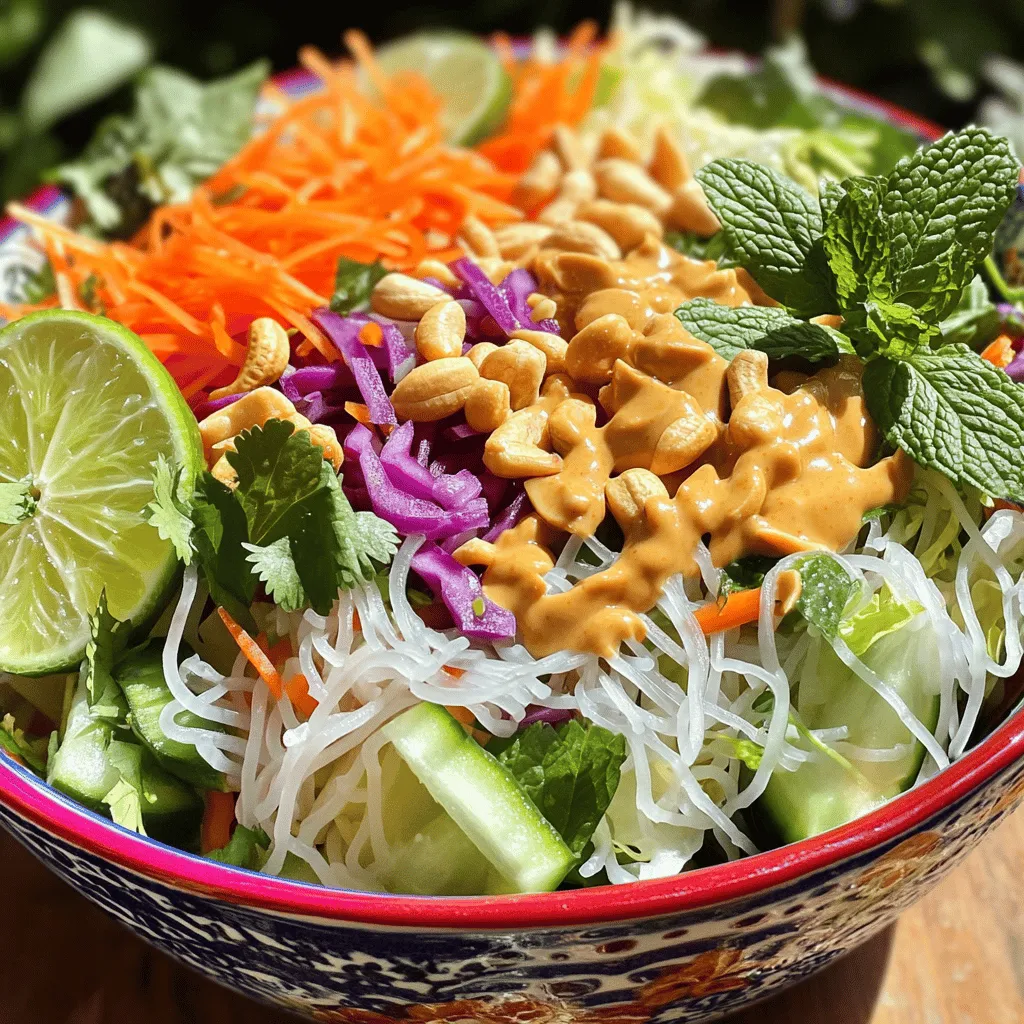
- 1 cup rice vermicelli noodles - 1 cup shredded cabbage (your choice of green or purple) - 1 cup shredded carrots - 1 cup cucumber (cut into matchstick julienne) - 1 red bell pepper (thinly sliced) - 1/2 cup fresh mint leaves, chopped - 1/2 cup fresh cilantro, chopped - 1/2 cup green onions, sliced - 1/4 cup roasted peanuts, roughly chopped (for garnish) - Lime wedges (for serving) - 1/3 cup creamy peanut butter - 2 tablespoons soy sauce - 1 tablespoon rice vinegar - 1 tablespoon lime juice - 1 tablespoon honey or maple syrup - 1 teaspoon sriracha or chili paste (adjust according to your heat preference) - 2-3 tablespoons warm water (for thinning the sauce) This Spring Roll Salad with Peanut Sauce is a bright and fresh dish. The rice vermicelli noodles serve as the base. They are light and chewy, making them a great choice. The shredded cabbage and carrots add crunch and color. For preparation, the cucumber and red bell pepper enrich the salad with more textures. Fresh mint and cilantro bring a burst of flavor. They keep the salad vibrant and refreshing. The peanut sauce is the star of this dish. It combines creamy peanut butter with soy sauce for a savory kick. Rice vinegar and lime juice add a tangy twist. Honey or maple syrup balances the flavors with sweetness. You can adjust the spice level with sriracha or chili paste, making it as mild or hot as you like. This recipe provides a fun mix of tastes and textures. You can find the full recipe above to guide you through every step. Enjoy making this delightful and colorful salad! - Bring water to a boil. Start with a large pot. Fill it with water and heat it until it bubbles. - Cook rice vermicelli noodles. Add the noodles to the boiling water. Cook them for about 3-5 minutes. Follow the package instructions to avoid overcooking. - Drain and rinse under cold water. Once cooked, pour the noodles into a colander. Rinse them well under cold water. This stops the cooking process and keeps them from sticking. - Wash and shred cabbage and carrots. Rinse them under cold water and then shred them finely. This helps with texture and flavor. - Julienne the cucumber and red bell pepper. Cut the cucumber and bell pepper into thin matchstick strips. This adds crunch and color to your salad. - Chop mint, cilantro, and slice green onions. These herbs add freshness and flavor. Use a sharp knife for clean cuts. - Combine peanut butter and liquid ingredients. In a bowl, mix the creamy peanut butter with soy sauce, rice vinegar, lime juice, and honey or maple syrup. - Whisk until smooth and drizzle consistency achieved. Use a whisk to blend the ingredients. If the sauce is too thick, add warm water one tablespoon at a time. Aim for a pourable texture. You can find the full recipe with all the amazing details in the article above! To make the best peanut sauce, balance sweetness and spice. You can adjust the honey or maple syrup to add more sweetness. If you prefer heat, add more sriracha or chili paste. Start with a small amount and taste as you go. This way, you can control the flavor. For the right sauce consistency, mix peanut butter with warm water. Add one tablespoon at a time. Your goal is a pourable sauce, not too runny or thick. Whisk until smooth, and it will blend well with the salad. When mixing the salad, handle the noodles gently. This avoids breakage and keeps them intact. Use your hands or a soft spatula. Toss the salad lightly to combine all the ingredients evenly. Make sure to mix all the veggies and herbs well with the noodles. It helps to distribute flavors throughout the dish. A gentle touch goes a long way in keeping everything intact. To make your salad look stunning, serve it in bright, contrasting bowls. This makes the colors pop and grabs attention. You can use a white bowl to highlight vibrant veggies. Add a sprinkle of fresh herbs and chopped peanuts on top. This not only adds flavor but also makes it look appealing. A well-presented dish enhances the dining experience, so take your time! For more detailed steps, check the Full Recipe. {{image_4}} You can boost your Spring Roll Salad with proteins like grilled chicken, shrimp, or tofu. Grilled chicken adds a savory taste and pairs well with the crunchy veggies. Shrimp cooks fast and brings a sweet sea flavor. Tofu is a great choice for vegan diets. It absorbs flavors well and adds a nice texture. You can marinate tofu in soy sauce for extra taste. Feel free to customize your salad with seasonal veggies. In spring, use fresh radishes or snap peas for crunch. In summer, try adding zucchini or cherry tomatoes for a sweet bite. You can swap cabbage for kale or spinach for a different texture. If you can’t find bell peppers, use shredded beets or carrots instead. Add extra toppings or dressings to enhance flavors. Try crispy fried onions or sesame seeds for a delightful crunch. You can also sprinkle on fresh herbs like basil or dill. If you want more heat, add crushed red pepper flakes. For a twist, mix in a splash of coconut aminos instead of soy sauce. These changes make each bite exciting and unique. For the full recipe, check out the Spring Roll Salad Delight 🥗🥢. To keep your Spring Roll Salad fresh, store it in an airtight container. This helps prevent the salad from wilting. You can keep it in the fridge for up to three days. The peanut sauce can also be stored separately in the fridge for about one week. This way, the flavors stay bright and tasty. If you want to freeze the salad, it's best to freeze the ingredients separately. You can freeze the peanut sauce in an ice cube tray. This allows you to use only what you need later. For the salad, freeze the vegetables without the noodles. When you’re ready to eat, thaw everything overnight in the fridge. To reheat, gently warm the peanut sauce in a small pot on low heat. For the veggies, you can stir-fry them for a few minutes. This keeps them crisp and delicious. Preparing your ingredients in advance is smart. You can wash and chop all the veggies the day before. Store them in separate containers in the fridge. This saves time when you are ready to assemble your salad. When you're ready to enjoy your meal, just cook the noodles and toss everything together. This makes it easy to have fresh meals throughout the week. For the full recipe, check out the detailed steps above! Yes, you can make the peanut sauce ahead of time. Store it in an airtight container. Keep it in the fridge for up to one week. If you notice it thickening, add a little warm water to thin it out before using. If you can't find rice vermicelli noodles, try using other types of noodles. Thin rice noodles or even soba noodles work well. You can also use spiralized vegetables like zucchini for a fresh twist. Yes, this recipe is great for meal prep! Prepare the salad and sauce separately. Store them in airtight containers. This way, the salad stays fresh and crunchy. You can mix them together right before serving. This blog post covered fresh ingredients and step-by-step instructions for a flavorful salad. You learned about making a creamy peanut sauce and tips for perfecting it. We also explored variations to customize your dish and how to store leftovers. In conclusion, this salad is fun to make and easy to customize. Try different flavors and textures to suit your taste. Enjoy creating this dish for yourself and others!

Spring Roll Salad with Peanut Sauce Delightful Recipe

Are you ready to experience a fresh twist on a classic dish? This Spring Roll Salad with Peanut Sauce is

Older posts
Newer posts
← Previous Page1 … Page28 Page29 Page30 … Page86 Next →

dsad

© 2026 lazychefmagic • Built with GeneratePress

Our Policies

  • Copyright Policy
  • Cookie Policy
  • GDPR Policy
  • Privacy Policy
  • Disclaimer
  • Terms Of Use

More Information

  • Home
  • About
  • Contact
  • Appetizers
  • Dessert
  • Dinner
  • Drinks
©2026, lazychefmagic About Back To Top